
Priapism
Priapism is a prolonged penile erection that persists beyond or occurs independently of sexual stimulation, typically defined clinically as an erection lasting more than four hours. Ischemic priapism is a medical emergency because trapped, poorly oxygenated blood can damage erectile tissue, while non-ischemic priapism usually results from excessive arterial blood flow and is generally less urgent.
Also known as: Prolonged erection, Persistent erection, Painful prolonged erection, Erection lasting more than 4 hours, Ischemic priapism, Low-flow priapism, High-flow priapism, Recurrent priapism, Stuttering priapism
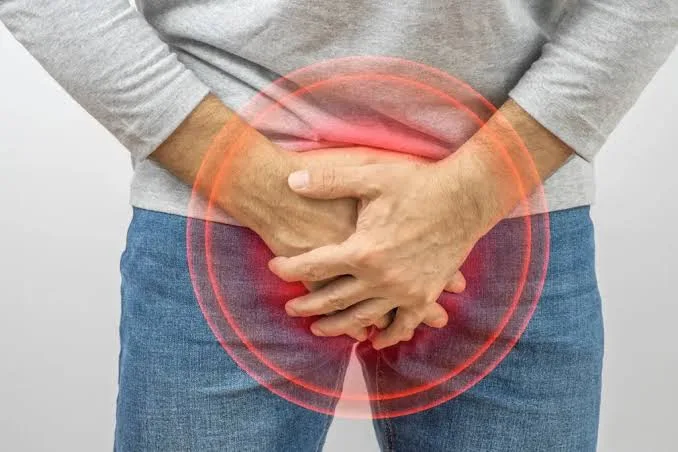 ✓ Clinician-reviewed information
- Priapism is generally defined as an erection lasting more than four hours that persists beyond or is unrelated to sexual stimulation.
- Ischemic priapism is a medical emergency and requires immediate medical treatment.
- Delayed treatment of ischemic priapism can cause permanent erectile tissue damage, fibrosis and erectile dysfunction.
- Non-ischemic or high-flow priapism is usually less painful and is generally not an emergency, but it still requires medical evaluation.
- Priapism can be associated with medications, erectile dysfunction injections, blood disorders such as sickle cell disease, trauma, and other medical conditions.
Overview
Priapism is a persistent penile erection that continues for hours beyond sexual stimulation or occurs without sexual stimulation.
For clinical purposes, priapism is generally defined as an erection lasting more than four hours.
Priapism is not simply an unusually long normal erection. It results from abnormal regulation of penile blood flow and can occur even without sexual desire or stimulation.
The most important step is determining whether the patient has ischemic priapism or non-ischemic priapism, because their urgency, underlying mechanisms, and treatments are different.
Why can priapism be dangerous?
During ischemic priapism, blood becomes trapped inside the corpora cavernosa and cannot adequately leave the penis.
As the episode continues, oxygen levels inside the erectile tissue fall while carbon dioxide and acidity increase.
Prolonged ischemia can injure the smooth muscle responsible for normal erections. The longer ischemic priapism remains untreated, the greater the risk of tissue necrosis, corporal fibrosis, penile shortening, and permanent erectile dysfunction.
For this reason, a persistent erection approaching or exceeding four hours requires urgent medical assessment rather than waiting for it to resolve at home.
Priapism and erectile dysfunction
Priapism can paradoxically lead to erectile dysfunction.
This is particularly important after prolonged ischemic priapism. Damage to the smooth muscle of the corpora cavernosa may subsequently make normal erections difficult or impossible.
The risk increases as the duration of ischemia increases.
Men presenting after very prolonged episodes may require surgical intervention, and in severe cases where erectile tissue has been irreversibly damaged, penile prosthesis surgery may eventually be considered.
Types of priapism
Symptoms
Causes
Risk factors
How it is diagnosed
Priapism requires prompt clinical evaluation.
The first goal is to determine whether the erection represents ischemic or non-ischemic priapism because acute ischemic priapism requires emergency treatment.
The doctor will ask about:
How long the erection has lasted
Whether it is painful
Whether the erection followed sexual activity
Previous episodes of priapism
Baseline erectile function
Erectile dysfunction medications or injections
Prescription medications
Recreational drugs
Sickle cell disease or other blood disorders
Previous penile, pelvic, or perineal trauma
Neurological conditions
History of malignancy
A physical examination assesses the penis, genital region, and perineum.
Cavernosal blood gas analysis
Blood can be aspirated directly from the corpus cavernosum when necessary to determine whether the trapped blood is oxygen-depleted.
In ischemic priapism, cavernosal blood is typically dark and demonstrates low oxygen, increased carbon dioxide, and increased acidity.
In non-ischemic priapism, the blood remains well oxygenated and resembles arterial blood.
Penile Doppler ultrasound
Penile duplex Doppler ultrasound may be used when the diagnosis is uncertain or to evaluate suspected high-flow priapism.
It can assess blood flow through the cavernosal arteries and may identify an arterial fistula or pseudoaneurysm following trauma.
Additional tests
Additional testing may be performed to identify the underlying cause and can include:
Complete blood count
Testing for sickle cell disease when appropriate
Other hematologic investigations
Medication and toxicology assessment when indicated
Additional imaging in selected cases
Importantly, investigations into the underlying cause should not delay emergency treatment when acute ischemic priapism has been diagnosed.
- An erection has lasted four hours or longer — seek emergency medical care immediately.
- A prolonged erection is becoming increasingly painful.
- The penis remains rigid despite sexual stimulation having ended.
- A prolonged erection occurs after an erectile dysfunction injection.
- You have sickle cell disease and develop a prolonged or painful erection.
- You experience repeated episodes of painful prolonged erections.
- A persistent erection develops after penile, pelvic, or perineal trauma.
- You have previously experienced priapism and symptoms are recurring.
Treatment options
- Using intracavernosal erectile dysfunction medication only at the prescribed dose.
- Receiving proper training before using penile injection therapy.
- Seeking medical advice if erections repeatedly last longer than expected after ED injections.
- Managing sickle cell disease with appropriate specialist care.
- Discussing recurrent episodes with a urologist or hematologist.
- Reviewing medications that may contribute to priapism with the prescribing doctor.
- Avoiding recreational drugs associated with prolonged erections.
- Following an individualized prevention strategy if recurrent ischemic priapism has previously occurred.
- Never changing or stopping prescribed medication without medical advice.
Common questions
What is priapism?
Is priapism an emergency?
What should I do if an erection lasts more than four hours?
Does priapism always hurt?
Can priapism cause erectile dysfunction?
Can erectile dysfunction injections cause priapism?
Can Viagra or Cialis cause priapism?
What is stuttering priapism?
Is priapism common in sickle cell disease?
How is ischemic priapism treated?
Can priapism require surgery?
Can high-flow priapism be treated?
Sources
- Diagnosis and Management of Priapism: AUA/SMSNA Guideline https://www.auanet.org/guidelines-and-quality/guidelines/diagnosis-and-management-of-priapism-aua/smsna-guideline-%282022%29
- EAU Guidelines on Sexual and Reproductive Health — Priapism https://uroweb.org/guidelines/sexual-and-reproductive-health/chapter/priapism
- The incidence of priapism in the general population https://pubmed.ncbi.nlm.nih.gov/11371877/