
Asthenozoospermia (Low Sperm Motility)
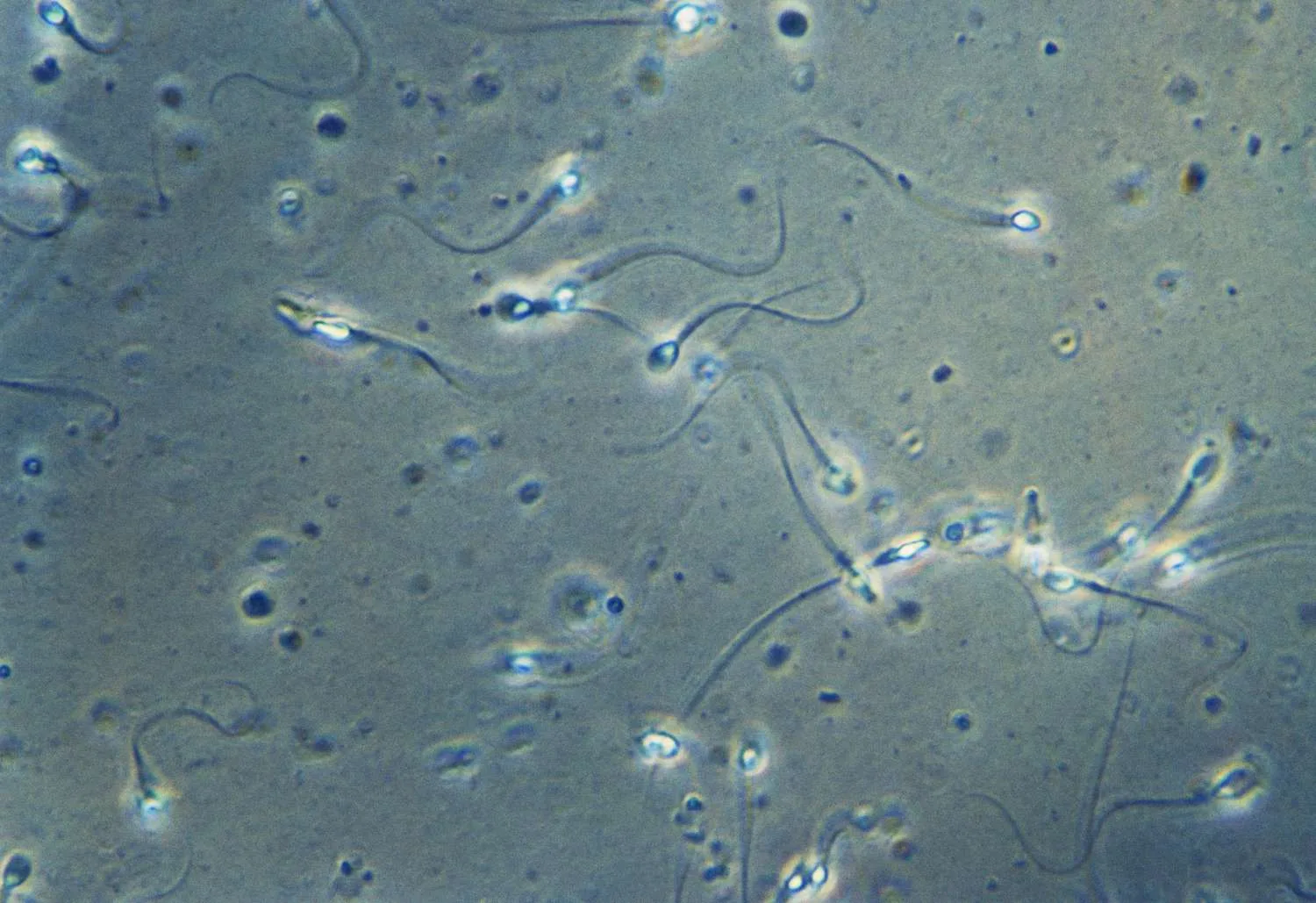
Asthenozoospermia is a male fertility condition in which a lower-than-expected proportion of sperm move effectively, reducing their ability to travel through the female reproductive tract and reach an egg. It is identified through semen analysis and may occur alone or together with low sperm count, abnormal sperm morphology, varicocele, infection, genetic disorders, or other causes of male infertility.
Also known as: Low sperm motility, Poor sperm motility, Reduced sperm motility, Weak sperm movement, Slow sperm, Low motile sperm count, Asthenospermia, Asthenozoospermia, Poorly motile sperm, Low progressive motility
 ✓ Clinician-reviewed information
- Asthenozoospermia means sperm motility is reduced, particularly the proportion of sperm moving progressively forward.
- Diagnosis is made by semen analysis and usually requires confirmation because semen parameters naturally vary between samples.
- Low sperm motility can occur because of varicocele, infection, oxidative stress, genetic or flagellar abnormalities, lifestyle factors, or other testicular and reproductive conditions.
- A low motility result does not automatically mean natural conception is impossible.
- Treatment depends on the underlying cause, while assisted reproductive techniques such as IUI, IVF, or ICSI may be considered when clinically appropriate.
Overview
Asthenozoospermia is reduced sperm motility.
Sperm motility describes how sperm move after ejaculation. For natural fertilization, sperm need sufficient forward movement to travel through the female reproductive tract and reach the egg.
A semen sample contains sperm with different movement patterns.
Laboratories generally assess sperm as:
Progressively motile
Non-progressively motile
Immotile
Progressive motility refers to sperm moving actively forward rather than simply moving in place.
When progressive or overall sperm motility is below the expected reference distribution, the finding may be described as asthenozoospermia.
Why sperm motility matters
Sperm have a long biological journey before fertilization.
After ejaculation, sperm must move through:
Cervical mucus
Uterus
Fallopian tubes
Only a small proportion of sperm ultimately reach the site where fertilization may occur.
Poor motility can reduce the probability that sufficient numbers of sperm successfully complete this journey.
However, fertility cannot be predicted from motility alone.
Sperm concentration, morphology, semen volume, female reproductive factors, timing of intercourse, age, and other variables all influence the probability of conception.
Is low sperm motility the same as male infertility?
No.
Asthenozoospermia is a semen-analysis finding associated with reduced fertility potential, but it does not by itself prove that a man is infertile.
Some men with reduced motility conceive naturally, while others may have difficulty conceiving.
The significance depends on:
Degree of motility impairment
Total sperm count
Total motile sperm count
Sperm morphology
Presence of additional male-factor abnormalities
Female partner factors
Duration of infertility
Why one semen test is not always enough
Semen quality naturally varies.
Recent illness, fever, abstinence period, laboratory variation, medications, lifestyle factors, and temporary physiological changes can affect results.
For this reason, an abnormal semen analysis is commonly repeated before concluding that a persistent sperm-motility abnormality is present.
The WHO laboratory manual provides standardized methods for evaluating sperm concentration, motility, morphology, and other semen parameters.
Types of asthenozoospermia (low sperm motility)
Symptoms
Causes
Risk factors
How it is diagnosed
Asthenozoospermia is diagnosed primarily through semen analysis.
Semen analysis
A semen sample is examined in an andrology laboratory according to standardized procedures.
Important parameters include:
Semen volume
Sperm concentration
Total sperm number
Progressive motility
Non-progressive motility
Immotile sperm
Sperm morphology
Vitality when indicated
Motility should be assessed promptly after semen liquefaction because delayed or improper sample handling can affect sperm movement.
WHO semen reference values
The WHO Sixth Edition semen manual provides distributions and lower reference values derived from fertile men.
These values should not be interpreted as a strict boundary between fertile and infertile men.
A result below a reference value indicates that further clinical interpretation may be appropriate, not that natural conception is impossible.
Repeat semen analysis
Because semen parameters fluctuate, an abnormal motility result is generally confirmed with another semen analysis when clinically appropriate.
The clinician considers:
Abstinence period
Recent fever or illness
Sample collection
Sample transport
Laboratory technique
Medications
Lifestyle factors
Sperm vitality testing
When a high proportion of sperm are immotile, sperm vitality testing can determine whether they are:
Alive but immotile
Dead
This distinction is especially important in severe or complete asthenozoospermia.
Medical evaluation
If persistent low motility is confirmed, an andrologist may assess:
Fertility history
Previous pregnancies
Testicular development
Varicocele
Genital infections
Surgery
Medications
Smoking
Heat exposure
Occupational exposures
Chronic disease
Physical examination may assess:
Testicular size
Epididymis
Vas deferens
Varicocele
Other genital abnormalities
Hormonal testing
Hormone testing may be appropriate when other findings suggest impaired testicular function.
Potential tests include:
FSH
LH
Total testosterone
Prolactin when indicated
Genetic testing
Genetic evaluation may be considered in selected patients with extremely severe motility abnormalities, particularly when a structural sperm-tail disorder or primary ciliary dyskinesia is suspected.
- A semen analysis shows low sperm motility.
- Repeat semen tests remain abnormal.
- You and your partner have difficulty conceiving.
- Almost all sperm are immotile.
- You have low motility together with very low sperm count.
- You have a clinically significant varicocele and infertility.
- You have a history of testicular injury, infection, chemotherapy, or radiation.
- You have used anabolic steroids or testosterone.
- You have experienced recurrent respiratory problems together with severe sperm immotility, which can occasionally suggest a ciliary disorder.
- You want to understand whether natural conception, IUI, IVF, or ICSI is appropriate.
Treatment options
- Stop smoking.
- Maintain a healthy body weight.
- Exercise regularly.
- Avoid anabolic steroid misuse.
- Avoid unnecessary testosterone therapy when trying to conceive.
- Limit excessive testicular heat exposure.
- Use appropriate workplace protection against reproductive toxins.
- Seek treatment for genital infections.
- Manage diabetes and metabolic disease.
- Discuss medications that may affect fertility with a doctor.
- Avoid excessive alcohol consumption.
- Maintain balanced nutrition.
- Seek evaluation for clinically significant varicocele when infertility is present.
Common questions
What is asthenozoospermia?
What is low sperm motility?
Can low sperm motility cause infertility?
Can sperm motility improve?
Can varicocele cause low sperm motility?
Can smoking reduce sperm motility?
Does heat affect sperm motility?
Can fever temporarily lower sperm motility?
What is progressive sperm motility?
What is total motile sperm count?
Is zero sperm motility the same as azoospermia?
If sperm do not move, are they dead?
Can low sperm motility be treated with supplements?
Can low sperm motility be treated with IUI?
Can IVF help with low sperm motility?
Can ICSI help severe asthenozoospermia?
Which doctor treats asthenozoospermia?
Sources
- WHO Laboratory Manual for the Examination and Processing of Human Semen, Sixth Edition https://www.who.int/publications/i/item/9789240030787
- EAU Guidelines on Sexual and Reproductive Health — Male Infertility https://uroweb.org/guidelines/sexual-and-reproductive-health/chapter/male-infertility
- Asthenozoospermia: Cellular and molecular contributing factors and treatment strategies https://pubmed.ncbi.nlm.nih.gov/31680293/
- Human asthenozoospermia: Update on genetic causes, patient management, and clinical strategies https://pubmed.ncbi.nlm.nih.gov/39748639/