
Male health conditions
Most men search for the problem long before they know the procedure name. Start here — every page explains what the condition is, what causes it, and which treatments genuinely help, written and checked by a clinician.

Adult Acquired Buried Penis
Adult acquired buried penis is a condition in which a normally sized penis becomes partially or completely hidden beneath surrounding suprapubic skin, fat, scar tissue, or swollen genital tissue. It is most often associated with obesity but can also result from lichen sclerosus, genital lymphedema, previous surgery, chronic inflammation, trauma, or complications of penile procedures, and it can interfere with urination, hygiene, sexual activity, and quality of life.
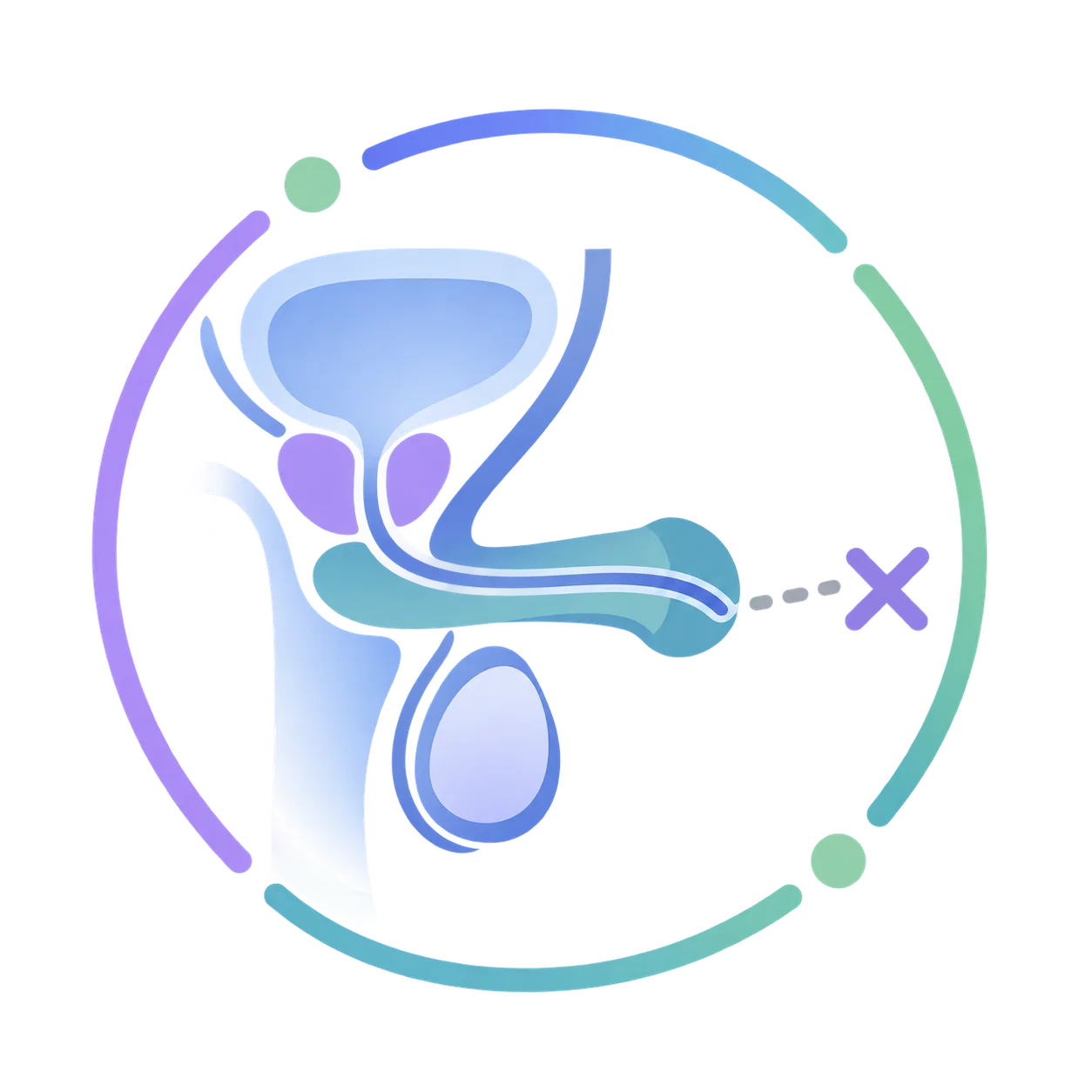
Anejaculation
Anejaculation is the inability to expel semen through the urethra during sexual activity or orgasm despite adequate sexual stimulation. It can result from neurological disorders, spinal cord injury, medications, surgery, diabetes, psychological factors, or disruption of the nerves involved in ejaculation, and it can cause male infertility when semen cannot be obtained naturally.
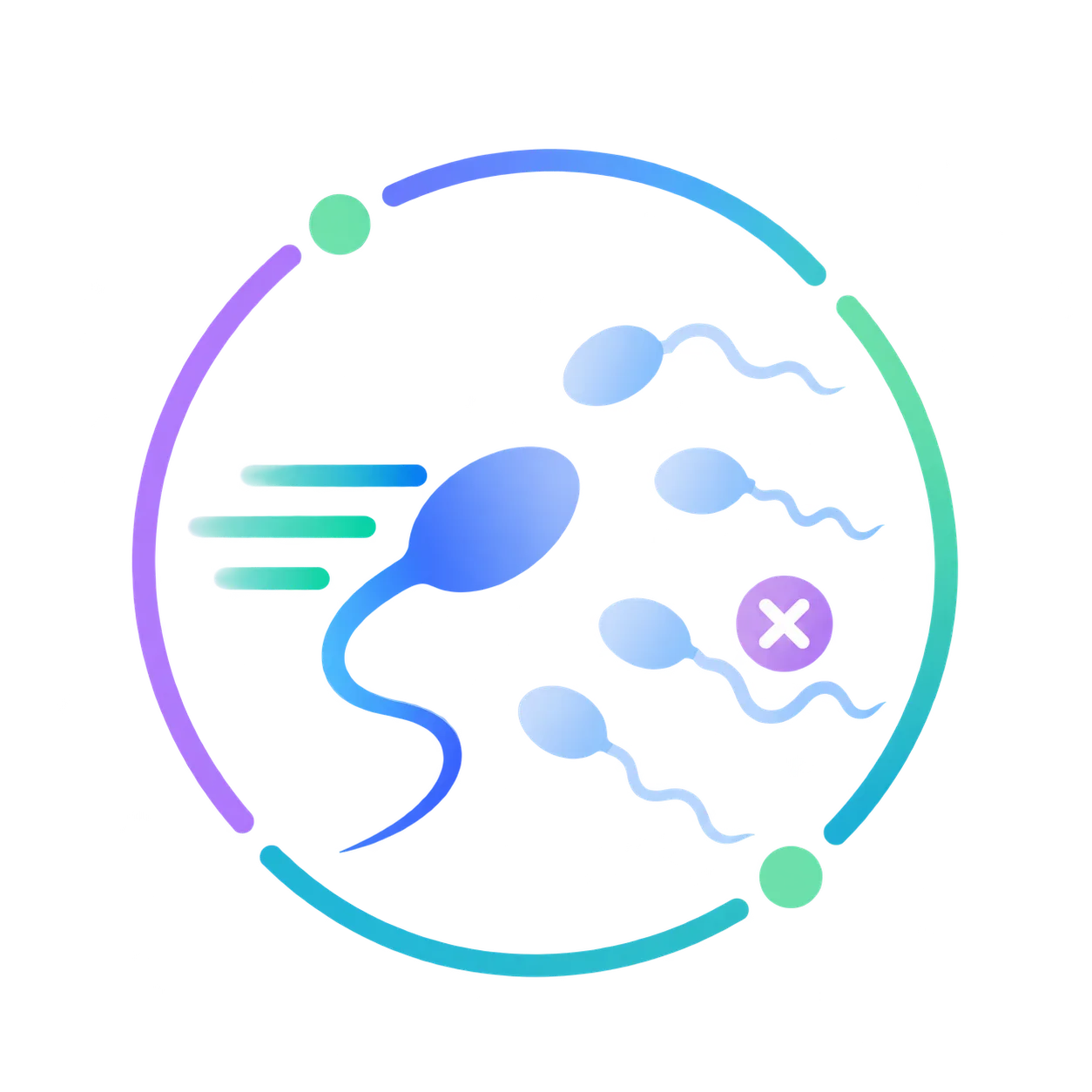
Asthenozoospermia (Low Sperm Motility)
Asthenozoospermia is a male fertility condition in which a lower-than-expected proportion of sperm move effectively, reducing their ability to travel through the female reproductive tract and reach an egg. It is identified through semen analysis and may occur alone or together with low sperm count, abnormal sperm morphology, varicocele, infection, genetic disorders, or other causes of male infertility.

Azoospermia & oligospermia
Azoospermia and oligospermia explained: causes, diagnosis, and evidence-based treatment options — with sources, not guesswork.
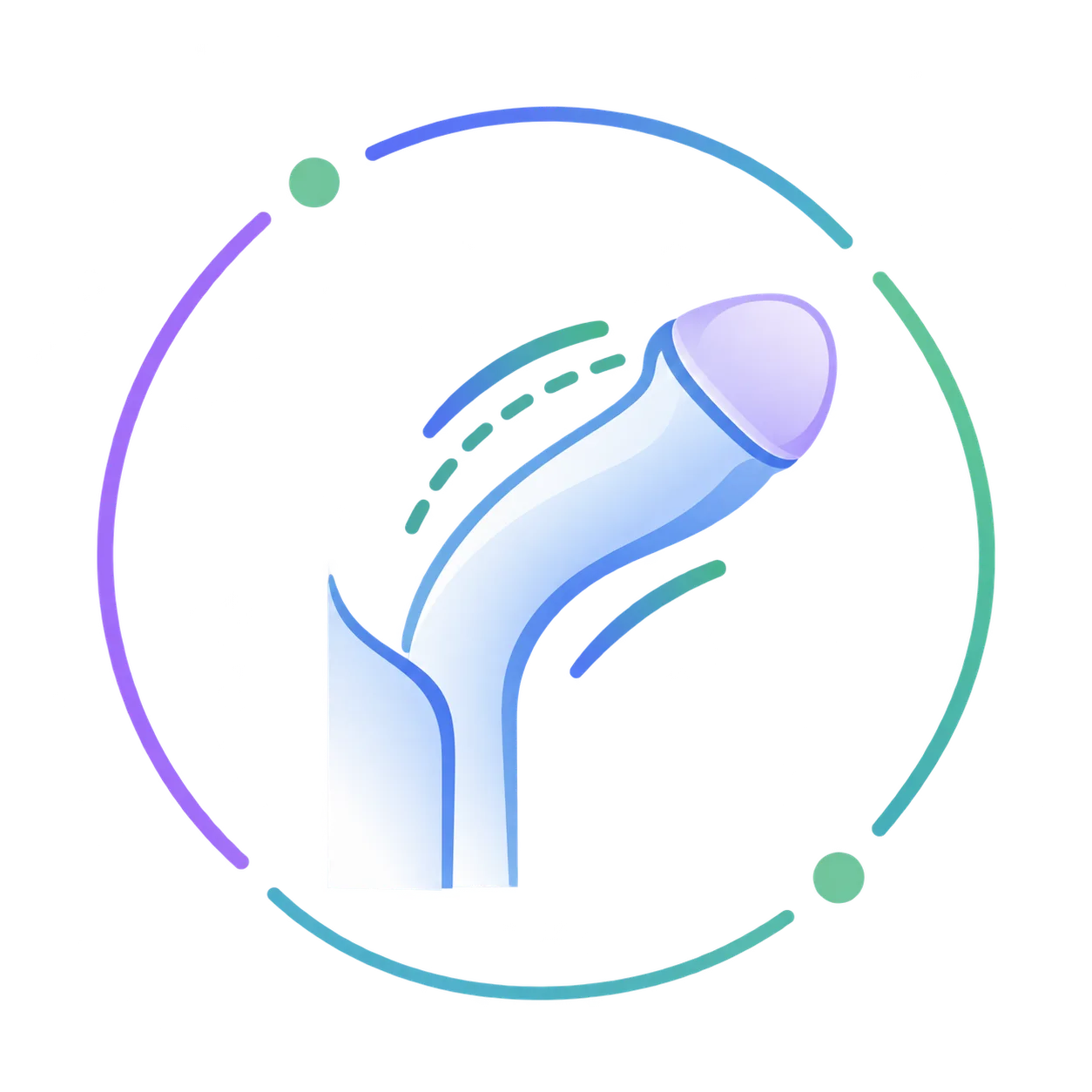
Congenital Penile Curvature
Congenital penile curvature is a condition in which the penis has been curved since development, with the bend becoming most noticeable during erection. Unlike Peyronie’s disease, it is not caused by acquired scar tissue or penile plaques and may require treatment when the curvature causes difficulty with sexual intercourse, significant functional problems, or substantial personal concern.
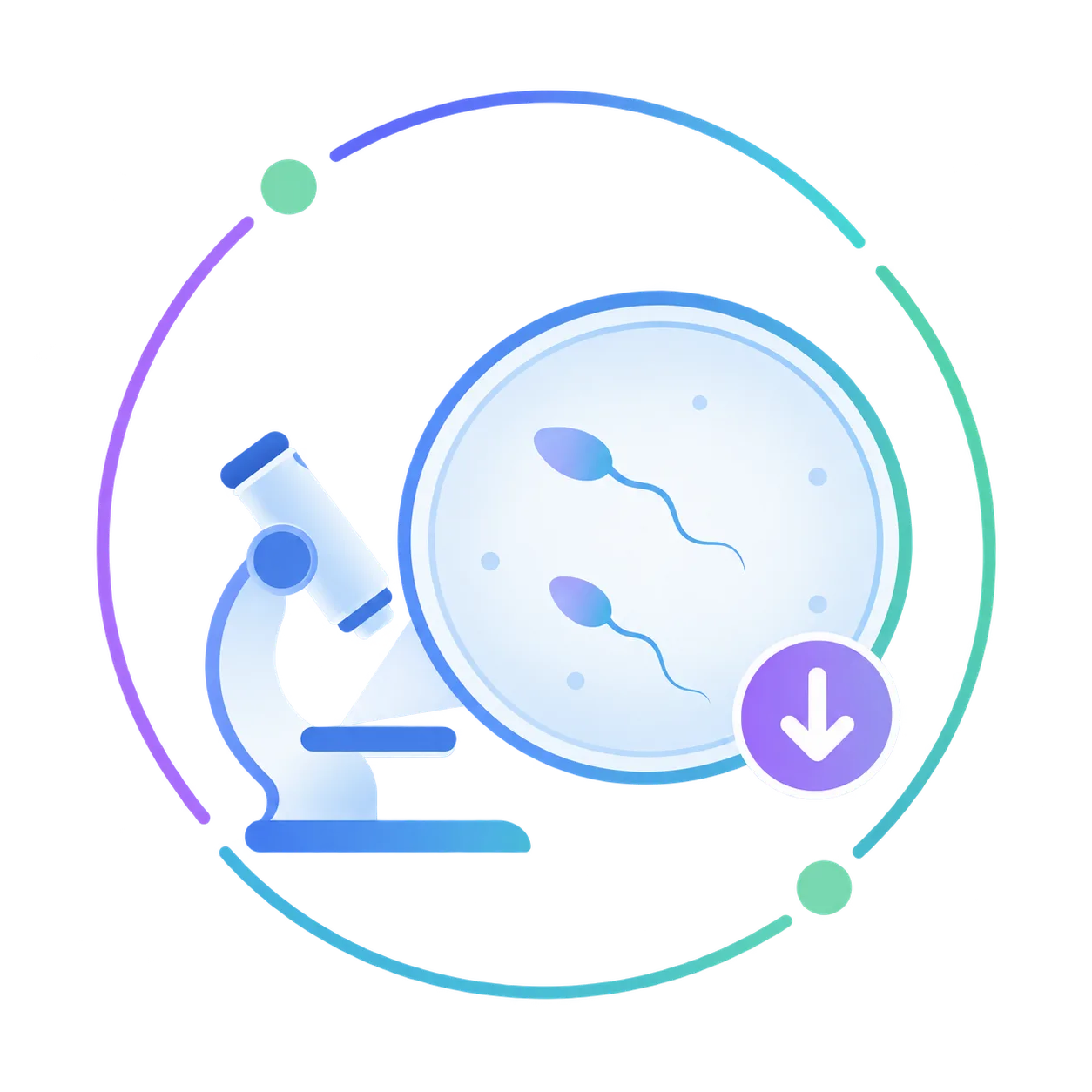
Cryptozoospermia (Extremely Low Sperm Count)
Cryptozoospermia is a severe male fertility condition in which only extremely small numbers of sperm are present in the ejaculate and they may not be seen during an initial routine semen examination. Sperm may only be identified after centrifugation and careful microscopic examination of the semen pellet, distinguishing cryptozoospermia from true azoospermia, where no sperm are detected.

Delayed / inhibited ejaculation
Delayed ejaculation explained: real causes, how common it is, and evidence-based treatment options — with sources, not guesswork.
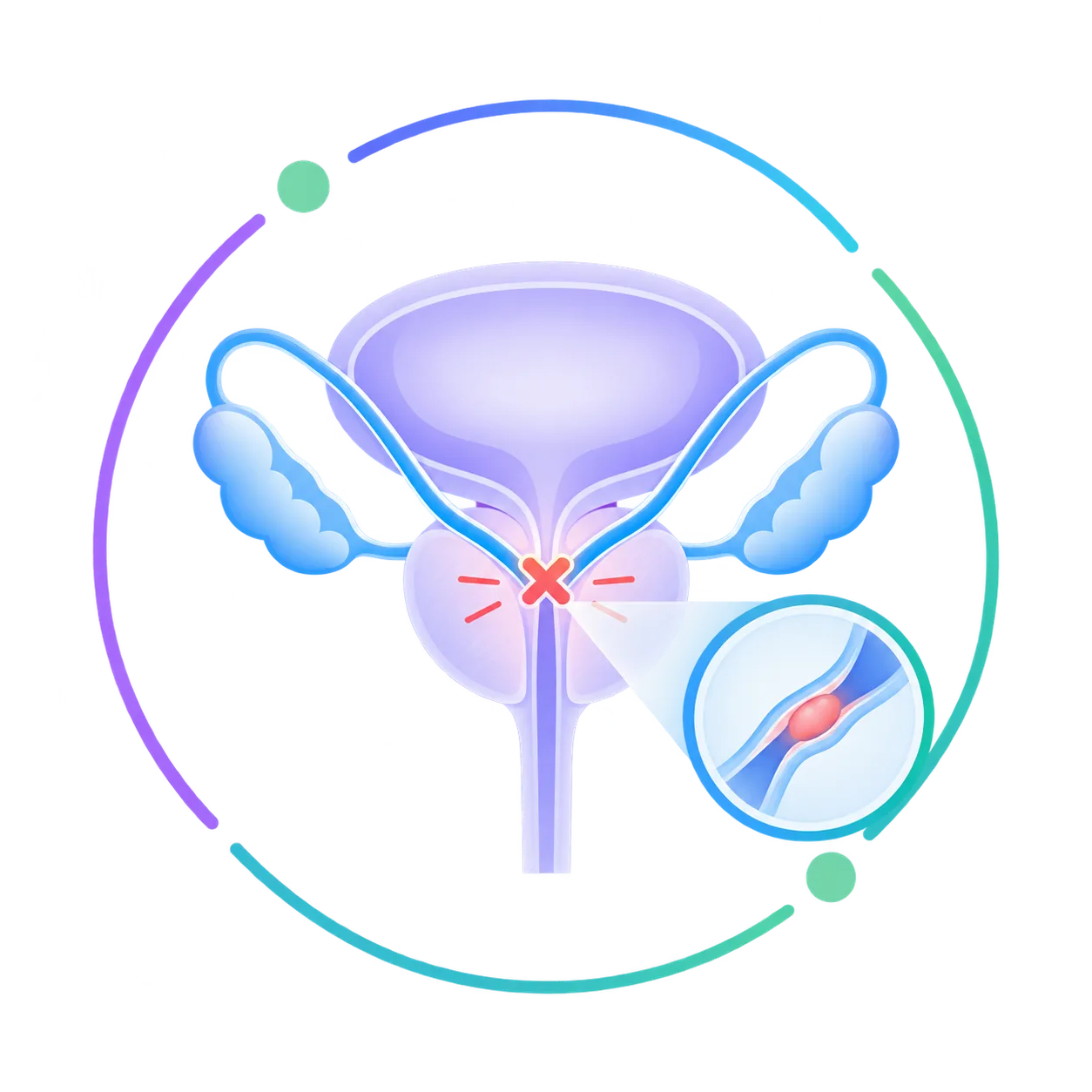
Ejaculatory Duct Obstruction (EDO)
Ejaculatory duct obstruction (EDO) is a blockage of one or both ejaculatory ducts, the small channels that carry sperm-containing fluid into the urethra during ejaculation. It can cause low semen volume, very low sperm count or azoospermia, painful ejaculation, blood in the semen, and male infertility, and some forms can be treated surgically.

Erectile dysfunction
Erectile dysfunction (ED) is the persistent difficulty getting or keeping an erection firm enough for sex, lasting three months or more. It affects roughly 20–50% of adult men, rising sharply with age, and most cases are treatable without surgery.

Frenulum breve (short frenulum)
Frenulum breve (short frenulum) explained: causes, symptoms, and evidence-based treatment options — with sources, not guesswork.

Globozoospermia
Globozoospermia is a rare, severe sperm morphology disorder in which sperm have abnormally round heads and lack a normal acrosome, the structure needed for normal interaction with and activation of the egg. It is an important genetic cause of male infertility and is commonly associated with fertilization failure, even when sperm count and motility are otherwise relatively preserved.
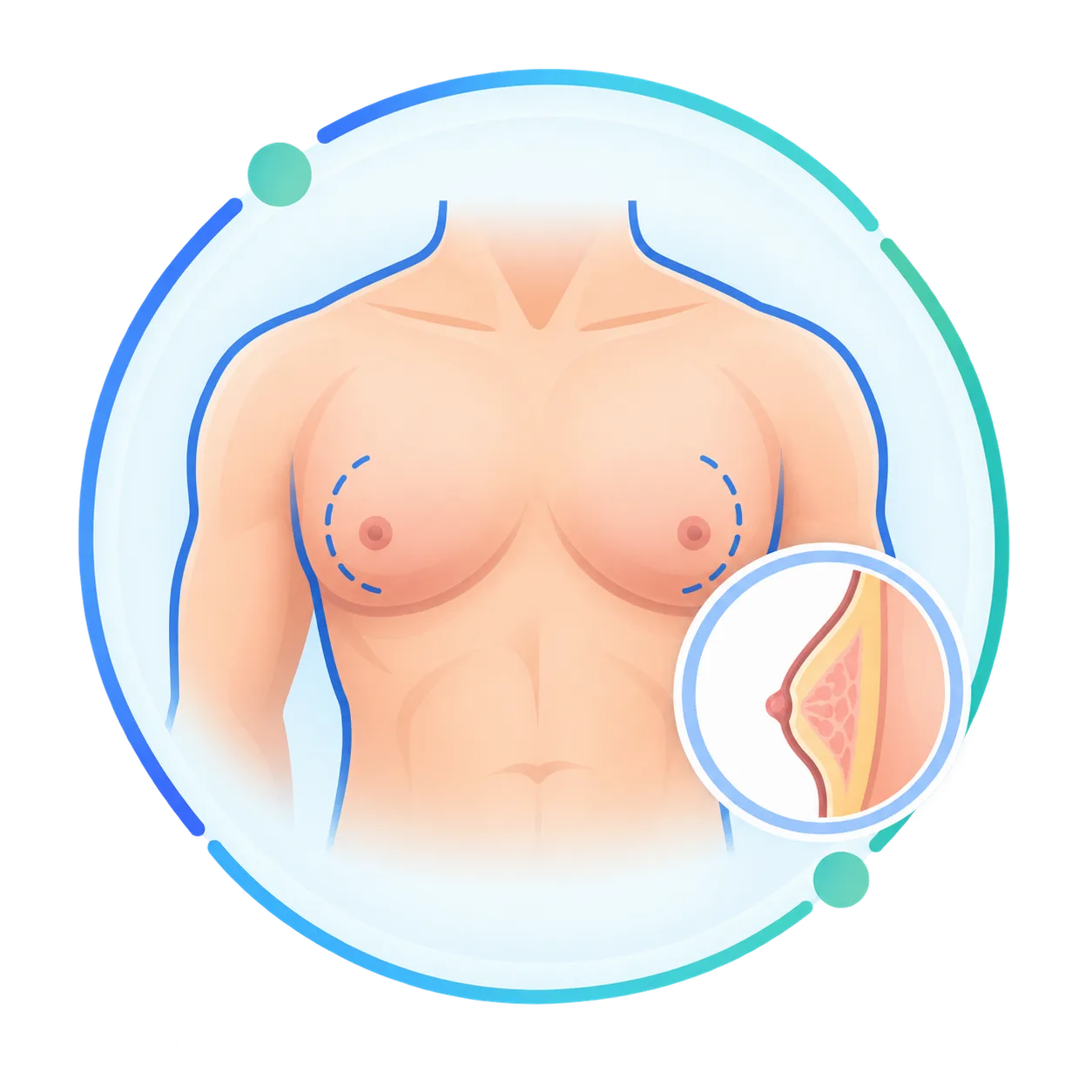
Gynaecomastia
Gynaecomastia explained: real causes, how it is diagnosed, and evidence-based treatment options — with sources, not guesswork.
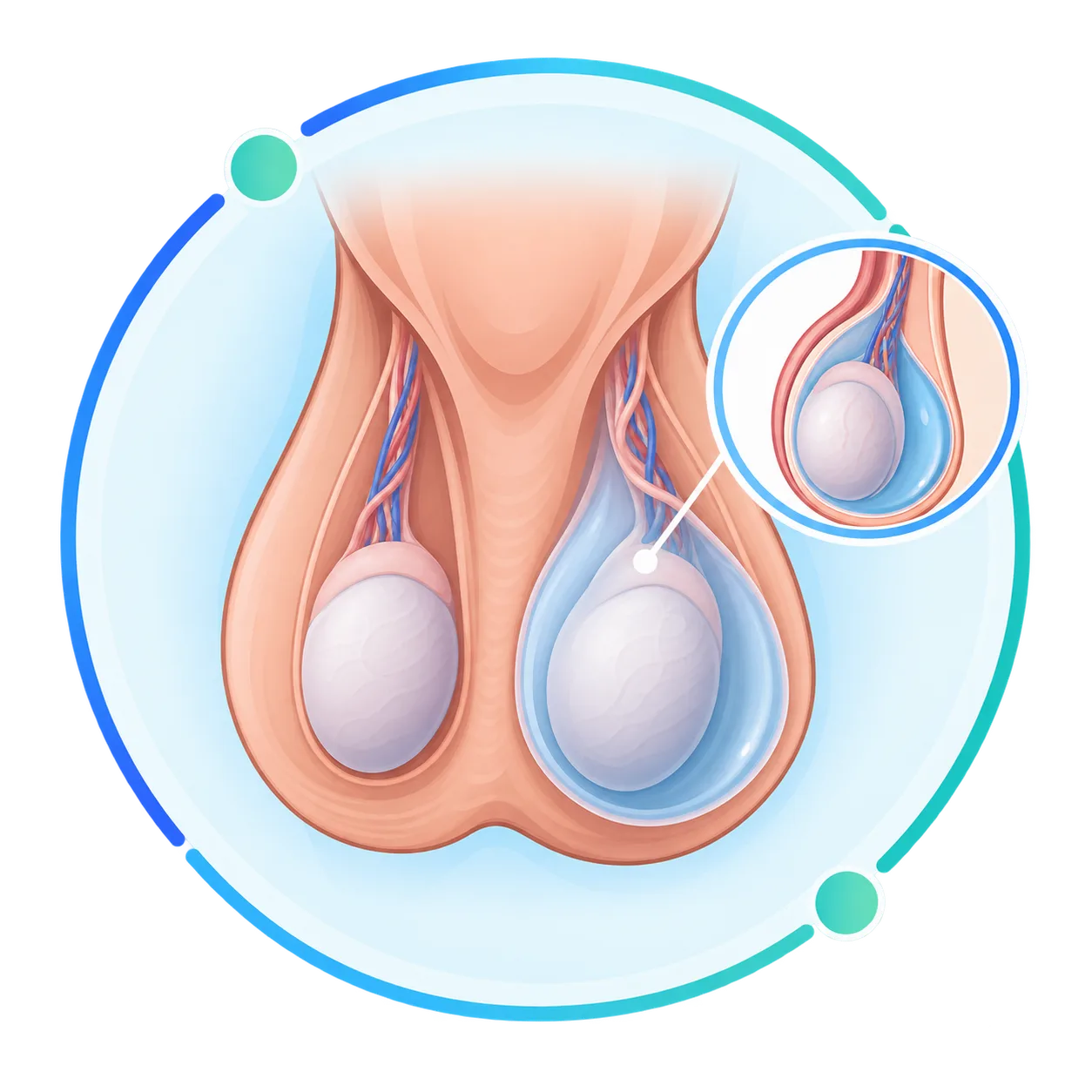
Hydrocele
Hydrocele explained: real causes, how it is diagnosed, and evidence-based treatment options — with sources, not guesswork.
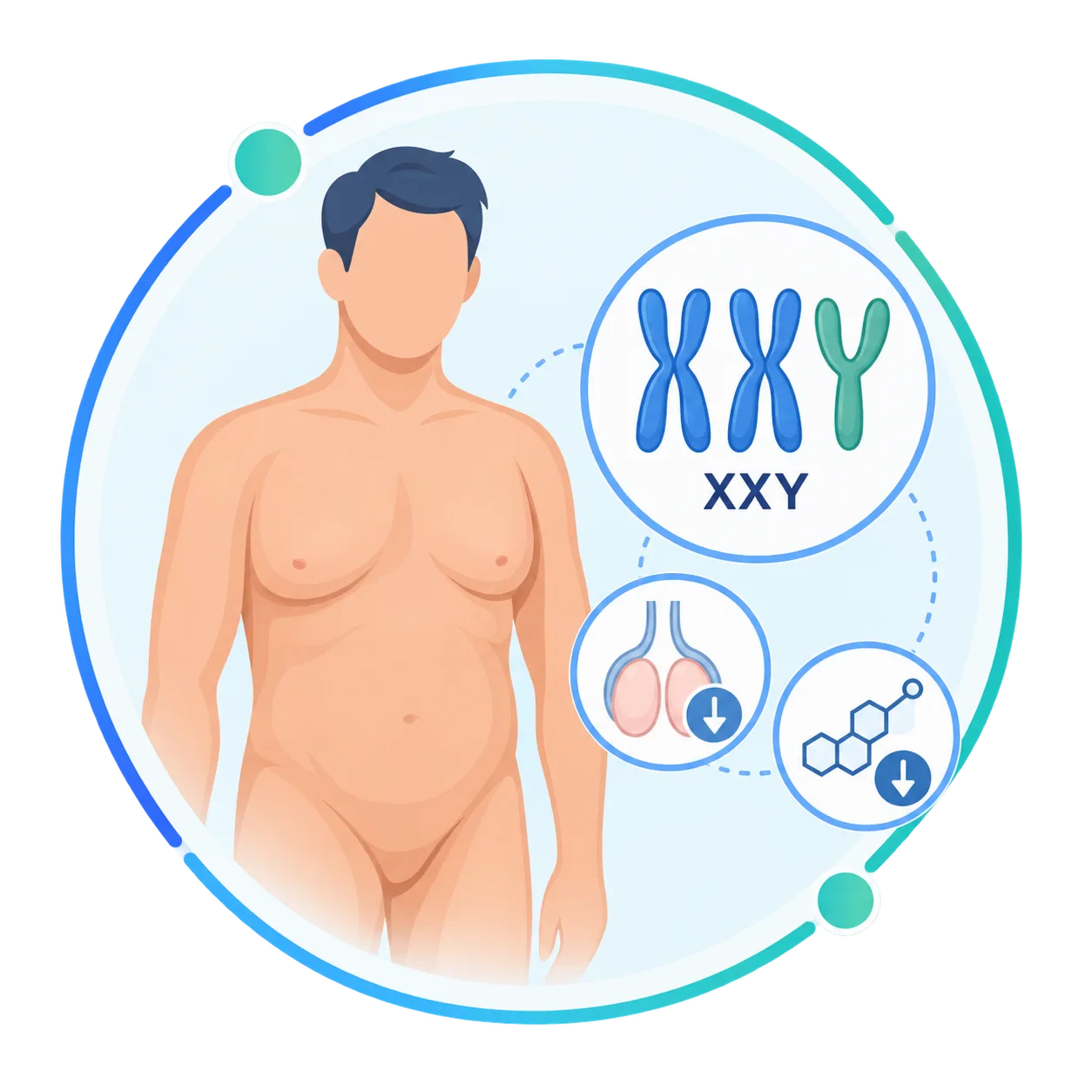
Klinefelter syndrome
Klinefelter syndrome explained: real symptoms, fertility options, and evidence-based treatment — with sources, not guesswork.
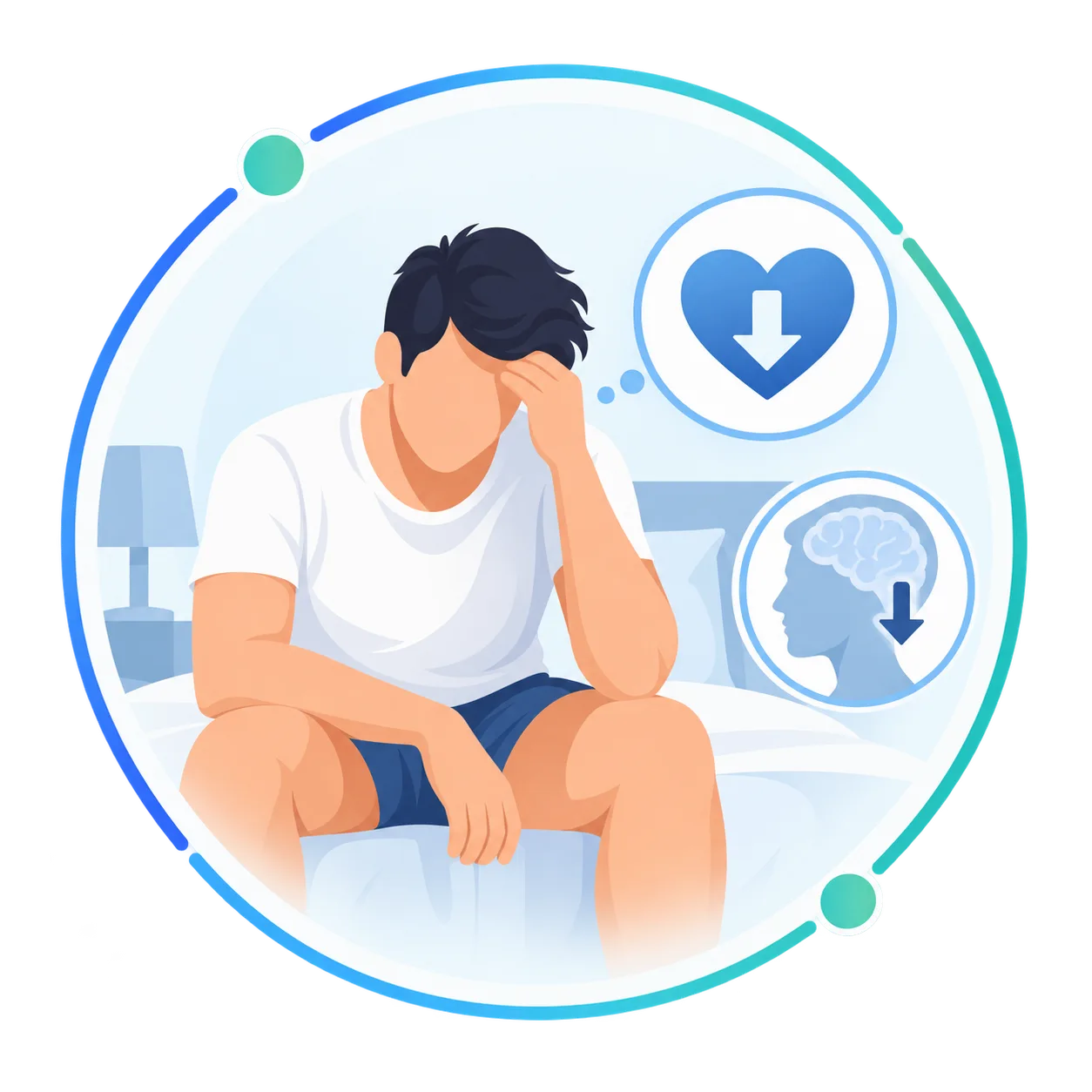
Low Libido (Low Sexual Desire in Men)
Low libido in men means a persistent or noticeable reduction in sexual desire, sexual thoughts, or interest in sexual activity compared with what is usual for that individual. It can be related to hormonal problems, psychological factors, relationship difficulties, medications, chronic illness, sleep problems, or other sexual conditions, and treatment depends on identifying the underlying cause.
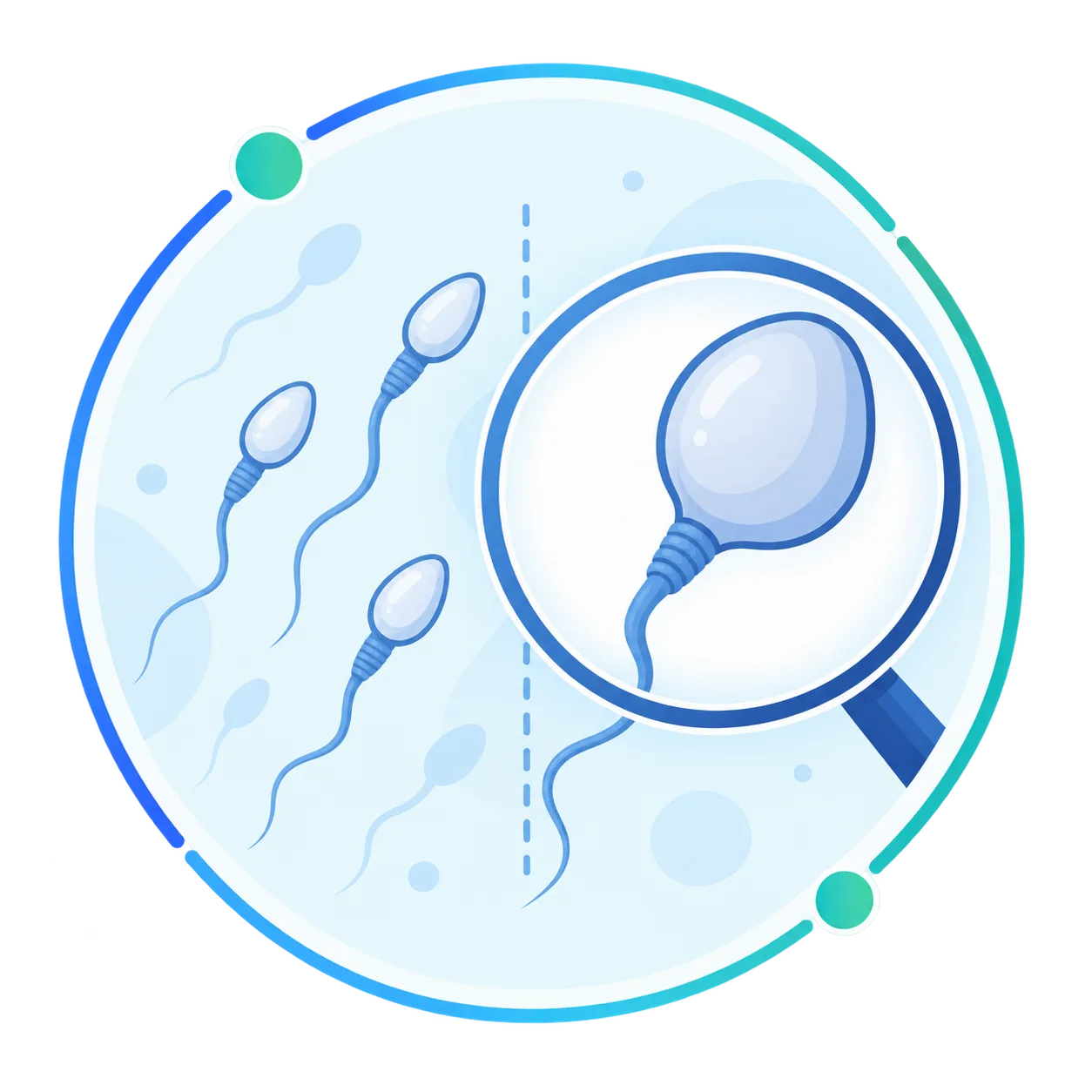
Macrozoospermia (Macrocephalic Sperm Head Syndrome)
Macrozoospermia is a rare, severe sperm morphology disorder characterized by abnormally enlarged sperm heads, often accompanied by multiple tails and major chromosomal abnormalities. Many classic cases are caused by pathogenic variants in the AURKC gene and are associated with severe male infertility because affected sperm frequently contain abnormal numbers of chromosomes.
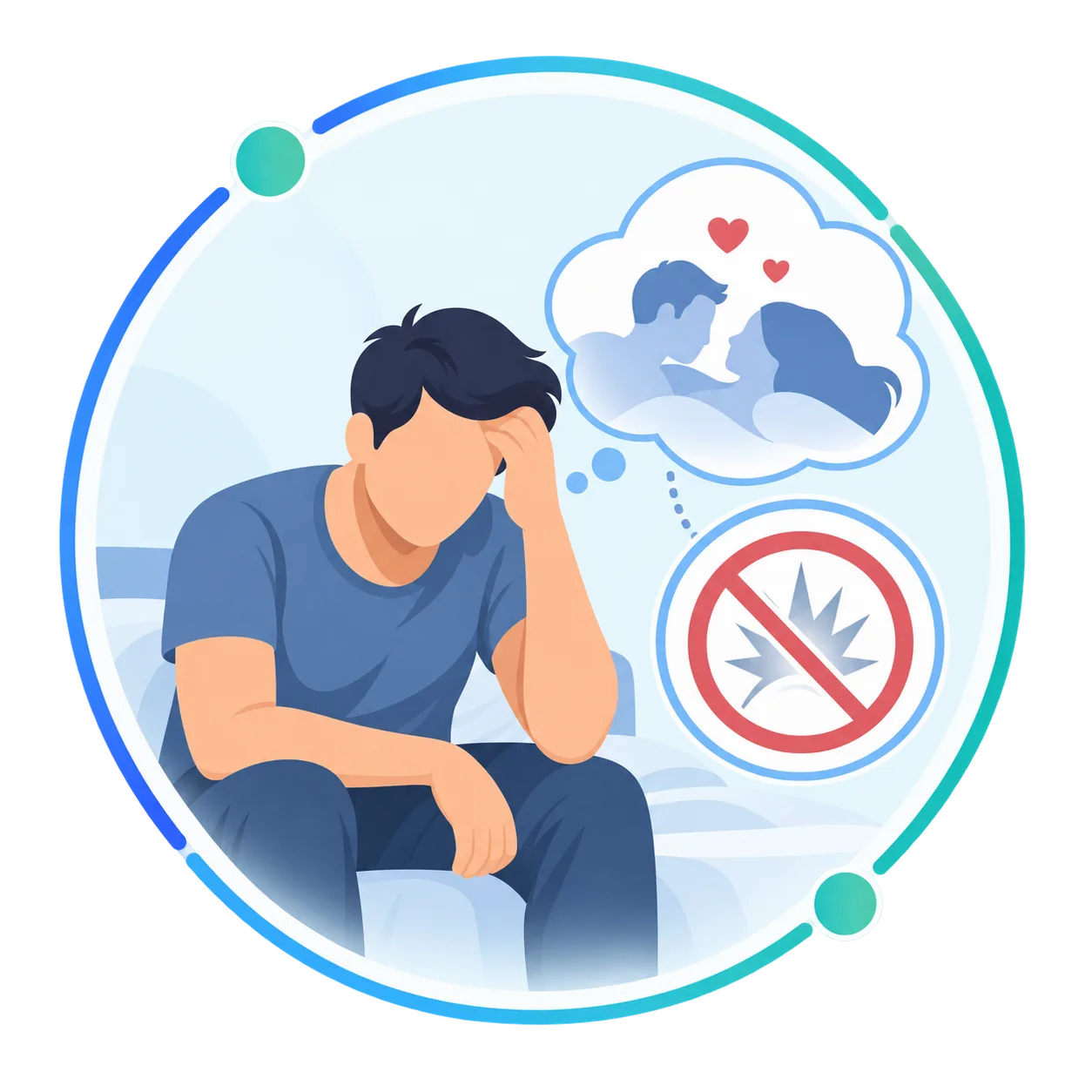
Male Anorgasmia
Male anorgasmia is the persistent or recurrent inability to experience orgasm despite adequate sexual stimulation and, in many cases, otherwise normal sexual desire and erection. It may be lifelong or acquired and can be related to medications, neurological conditions, psychological factors, pelvic surgery, reduced genital sensation, hormonal disorders, or other sexual dysfunctions.
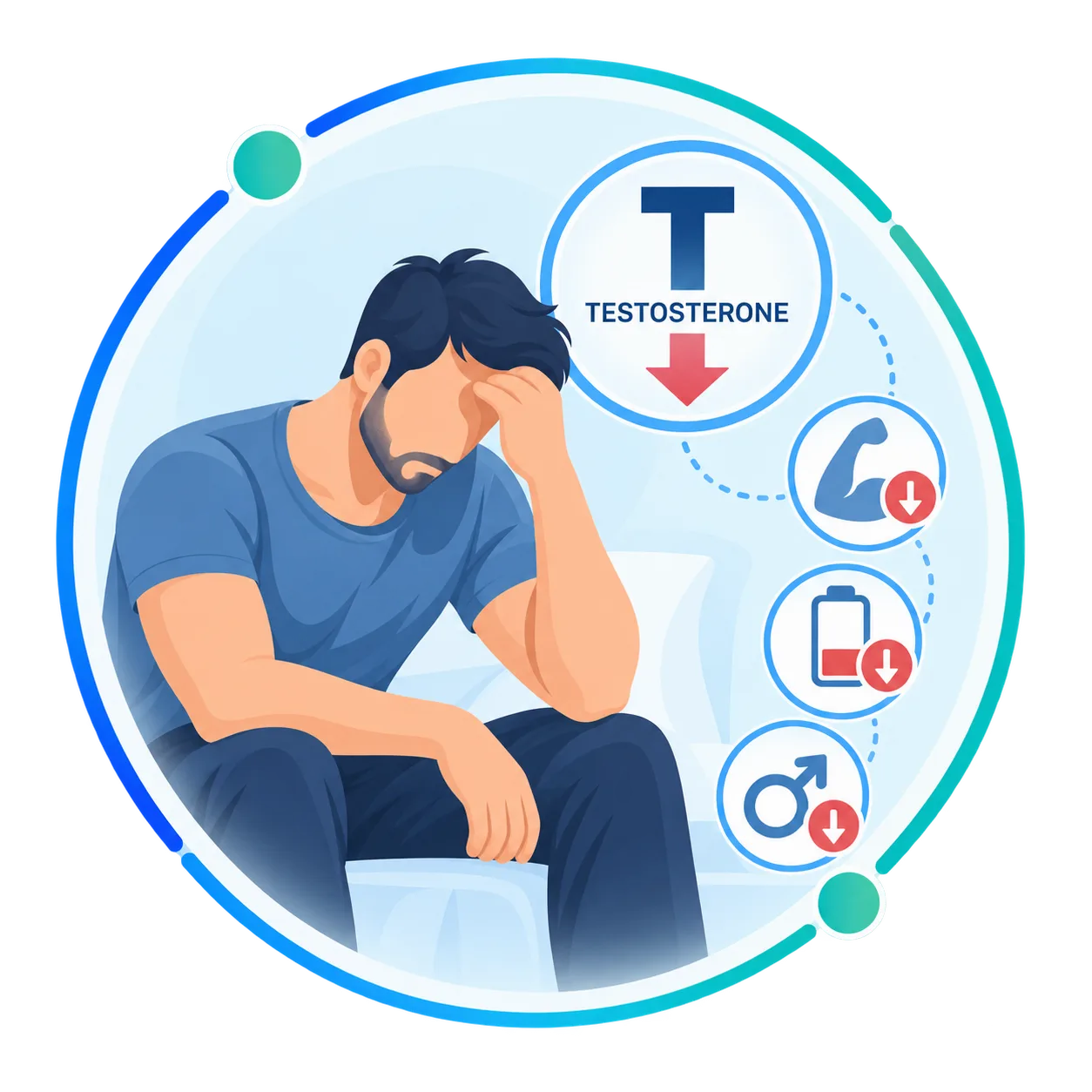
Male Hypogonadism (Low Testosterone)
Male hypogonadism is a condition in which the body does not produce enough testosterone to support normal sexual, reproductive, and physical function. It can cause reduced sex drive, erectile problems, infertility, loss of muscle mass, fatigue, and other symptoms, and diagnosis requires both compatible symptoms or signs and consistently low testosterone levels on appropriate blood testing.
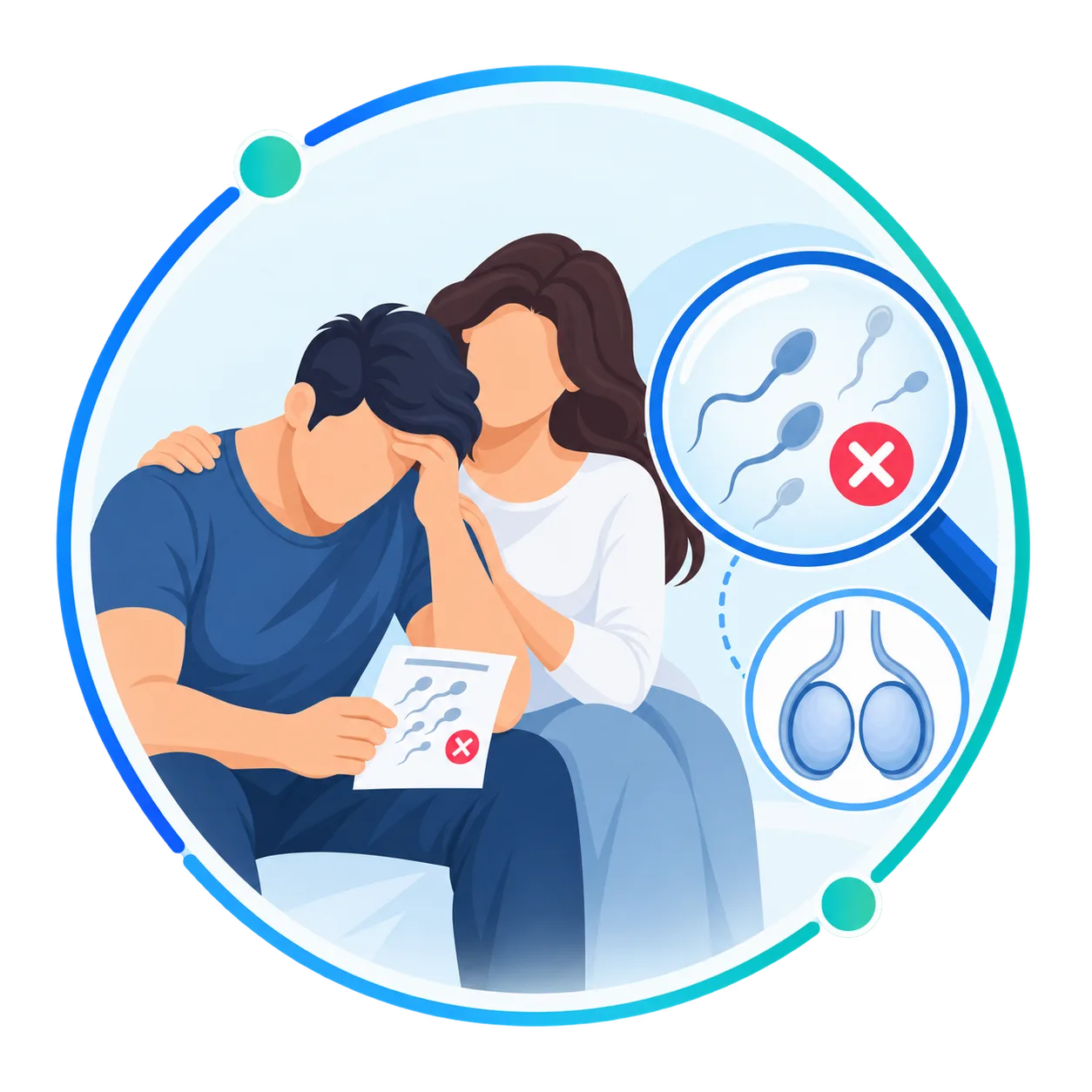
Male infertility
Male infertility explained: real causes, how it is diagnosed, and evidence-based treatment options — with sources, not guesswork.
Micropenis
Micropenis is a medical condition in which the penis is structurally normal but has a stretched penile length more than 2.5 standard deviations below the mean for age and developmental stage. It usually results from hormonal, testicular, genetic, or developmental abnormalities affecting androgen production or action and should be distinguished from buried penis and normal variation in penile size.
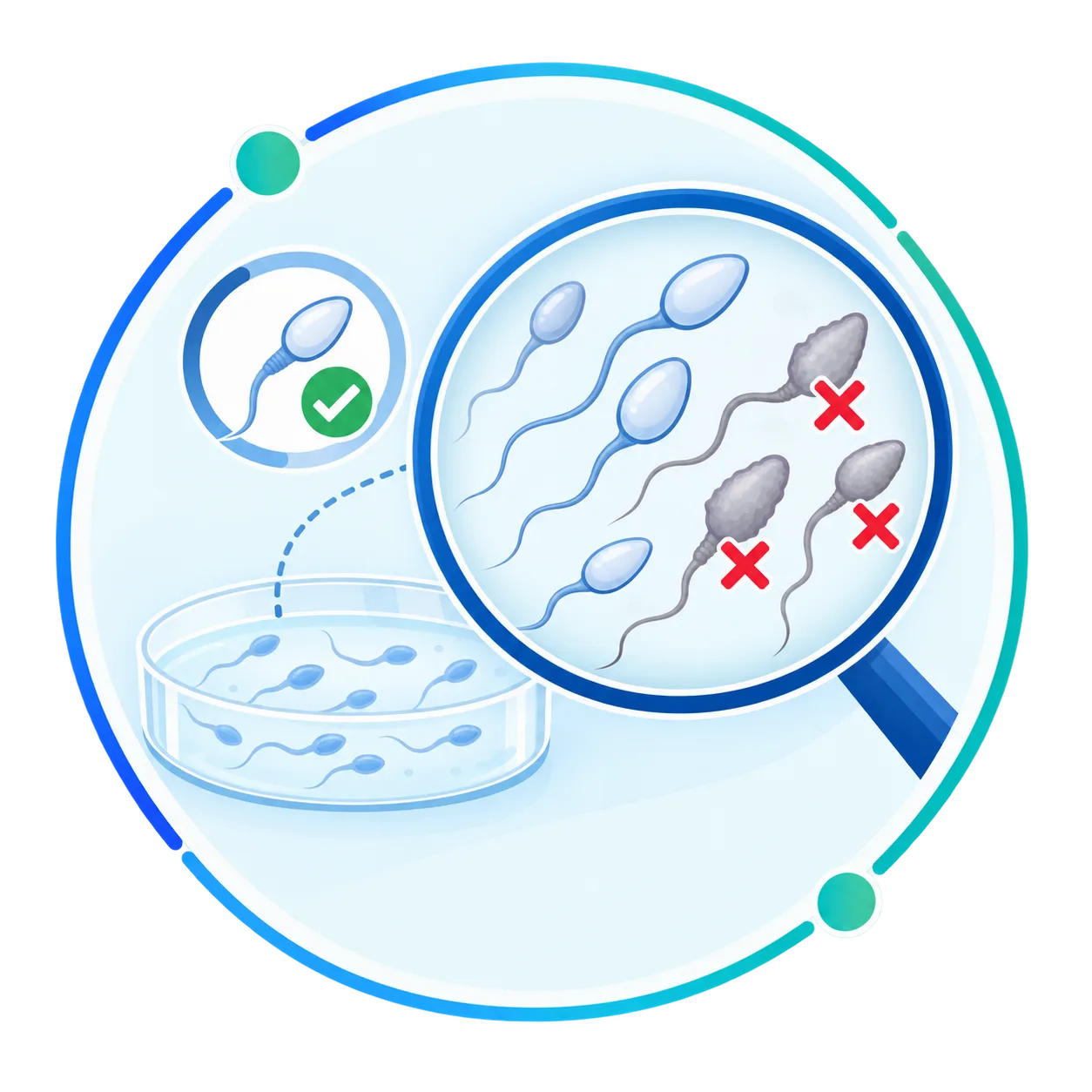
Necrozoospermia (Low Sperm Vitality)
Necrozoospermia is a semen abnormality in which an unusually high proportion of sperm are non-viable, meaning they are not alive at the time of testing. It is diagnosed with sperm vitality testing and must be distinguished from asthenozoospermia, where sperm may be alive but have poor or absent movement.
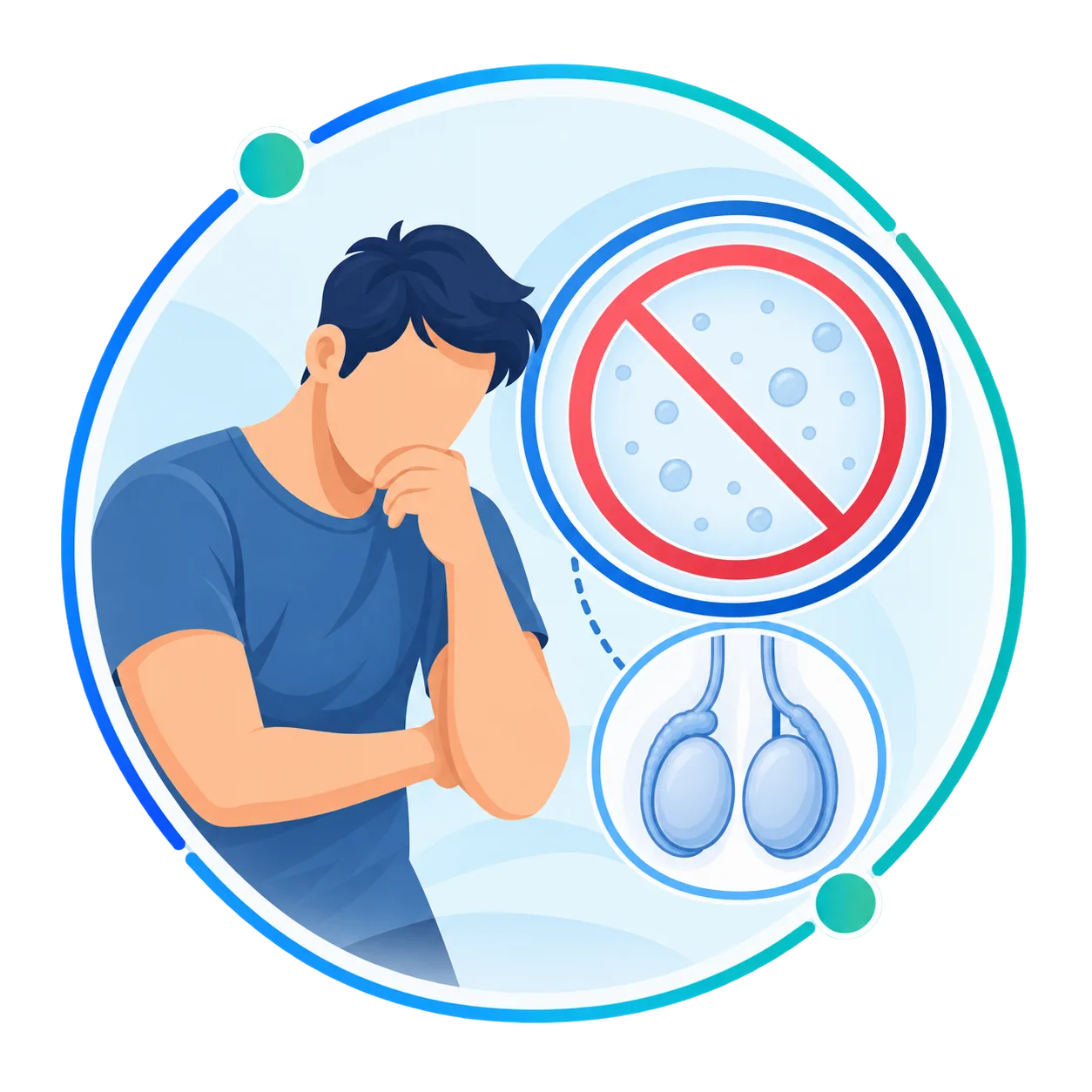
Non-Obstructive Azoospermia (NOA)
Non-obstructive azoospermia is a severe form of male infertility in which no sperm are found in the ejaculate because sperm production within the testes is markedly reduced or absent. It may result from genetic, hormonal, developmental, testicular, or treatment-related causes, and diagnosis requires repeat semen analysis together with hormonal, genetic, and clinical evaluation.
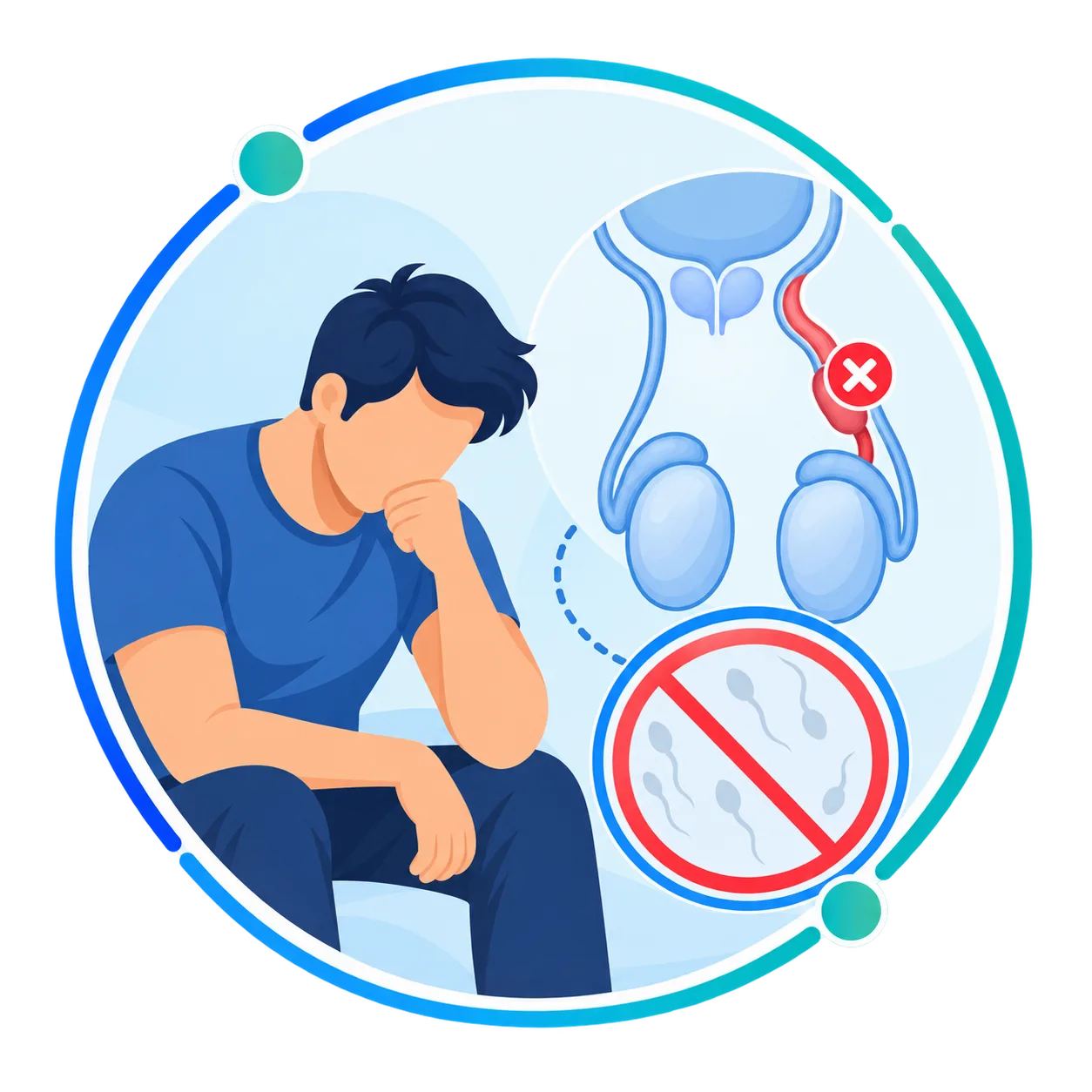
Obstructive Azoospermia (OA)
Obstructive azoospermia is a form of male infertility in which sperm are produced in the testes but cannot appear in the ejaculate because of a blockage or absence of part of the reproductive tract. Causes include vasectomy, congenital absence of the vas deferens, infection, previous surgery, or ejaculatory duct obstruction, and treatment may involve reconstructive surgery or surgical sperm retrieval for IVF/ICSI.
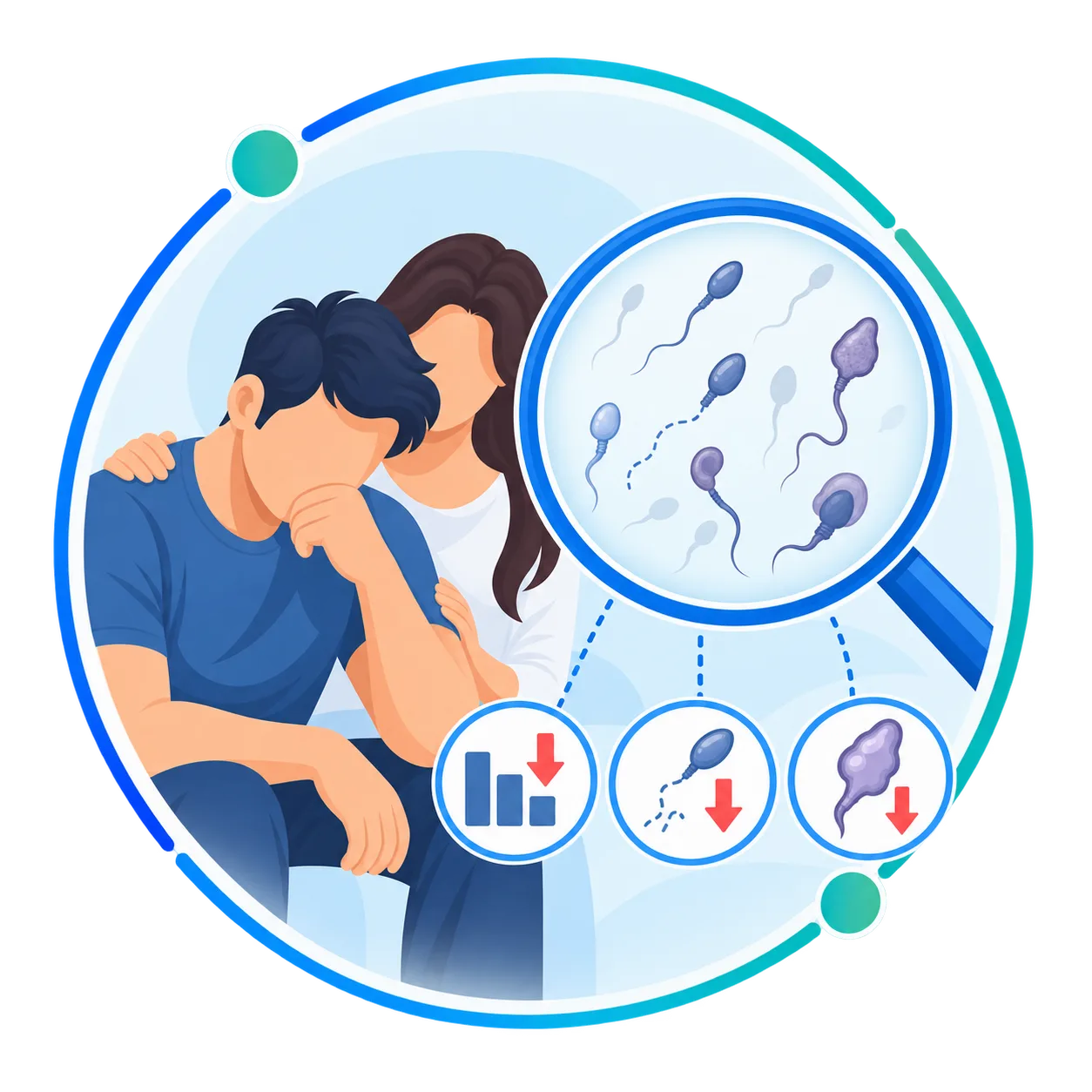
Oligoasthenoteratozoospermia (OAT Syndrome)
Oligoasthenoteratozoospermia, or OAT syndrome, is a male fertility condition in which semen analysis shows three abnormalities at the same time: low sperm concentration, reduced sperm motility, and abnormal sperm morphology. It can significantly reduce natural fertility potential and may result from varicocele, testicular dysfunction, hormonal or genetic disorders, infection, toxic exposures, or other causes of impaired sperm production.
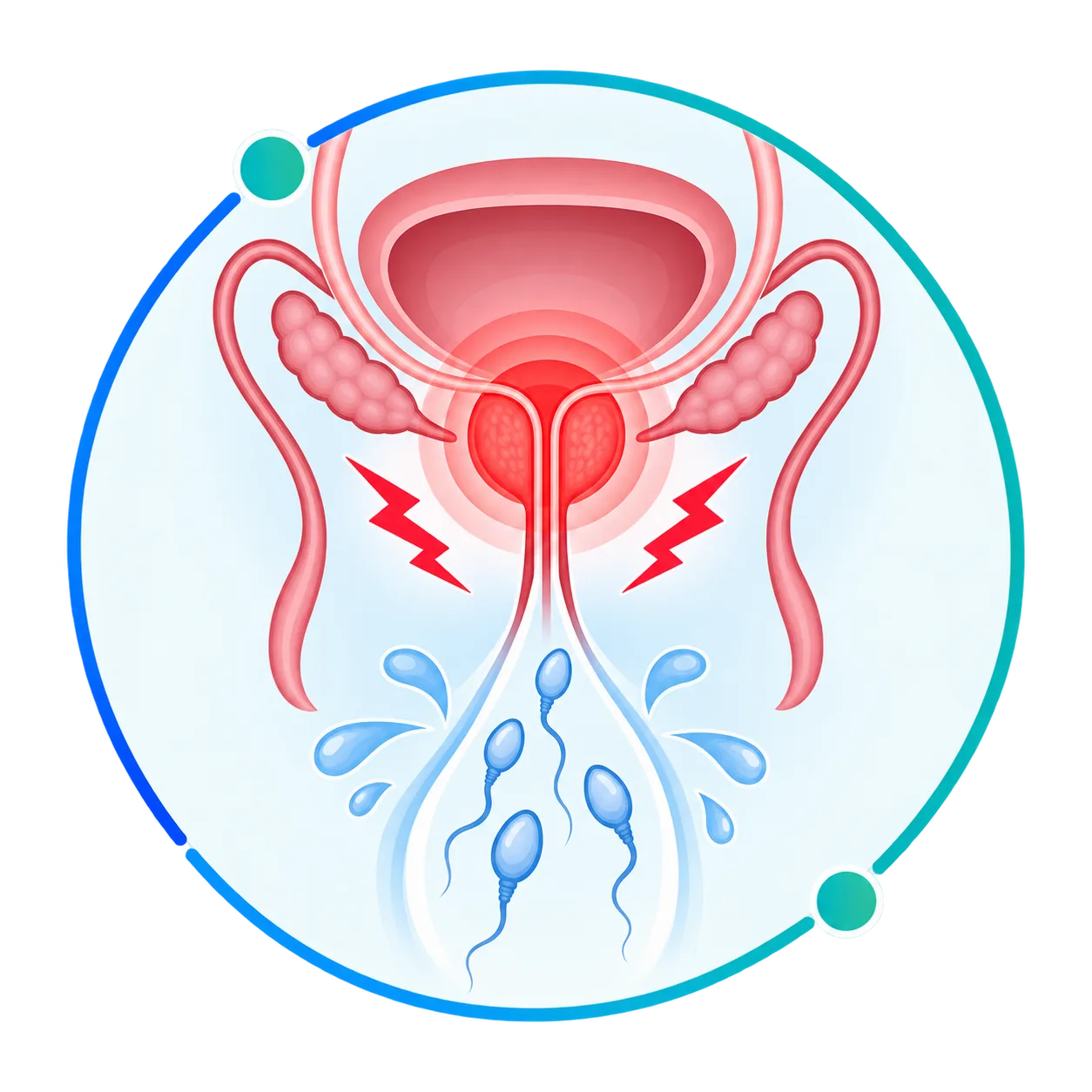
Painful Ejaculation
Painful ejaculation is pain, burning, aching, or discomfort that occurs during or shortly after ejaculation or orgasm. The pain may be felt in the penis, urethra, perineum, pelvis, testicles, rectum, or lower abdomen and can have several causes, including prostatitis or chronic pelvic pain syndrome, infection, pelvic-floor dysfunction, medications, and previous pelvic or prostate procedures.
Paraphimosis
Paraphimosis is a urological emergency in which the foreskin becomes trapped behind the glans penis after being retracted and cannot be returned to its normal position. The constricting foreskin can cause rapid swelling and impaired blood flow to the glans, so prompt reduction and medical treatment are required to prevent tissue injury.
Penile Fibrosis
Penile fibrosis is the formation of excessive scar tissue within the penis, particularly in the erectile tissues of the corpora cavernosa or their surrounding structures. It can develop after priapism, repeated intracavernosal injections, penile trauma, infection, previous surgery, or other tissue injury and may cause erectile dysfunction, penile shortening, deformity, pain, or difficulty with future penile prosthesis surgery.
Penile girth enhancement
Penile girth enhancement explained: the real options, what the evidence shows, and the risks — with sources, not guesswork.
Penile length concerns
Penile length concerns explained: what the average really is, when size is a medical issue, and honest options — with sources, not guesswork.
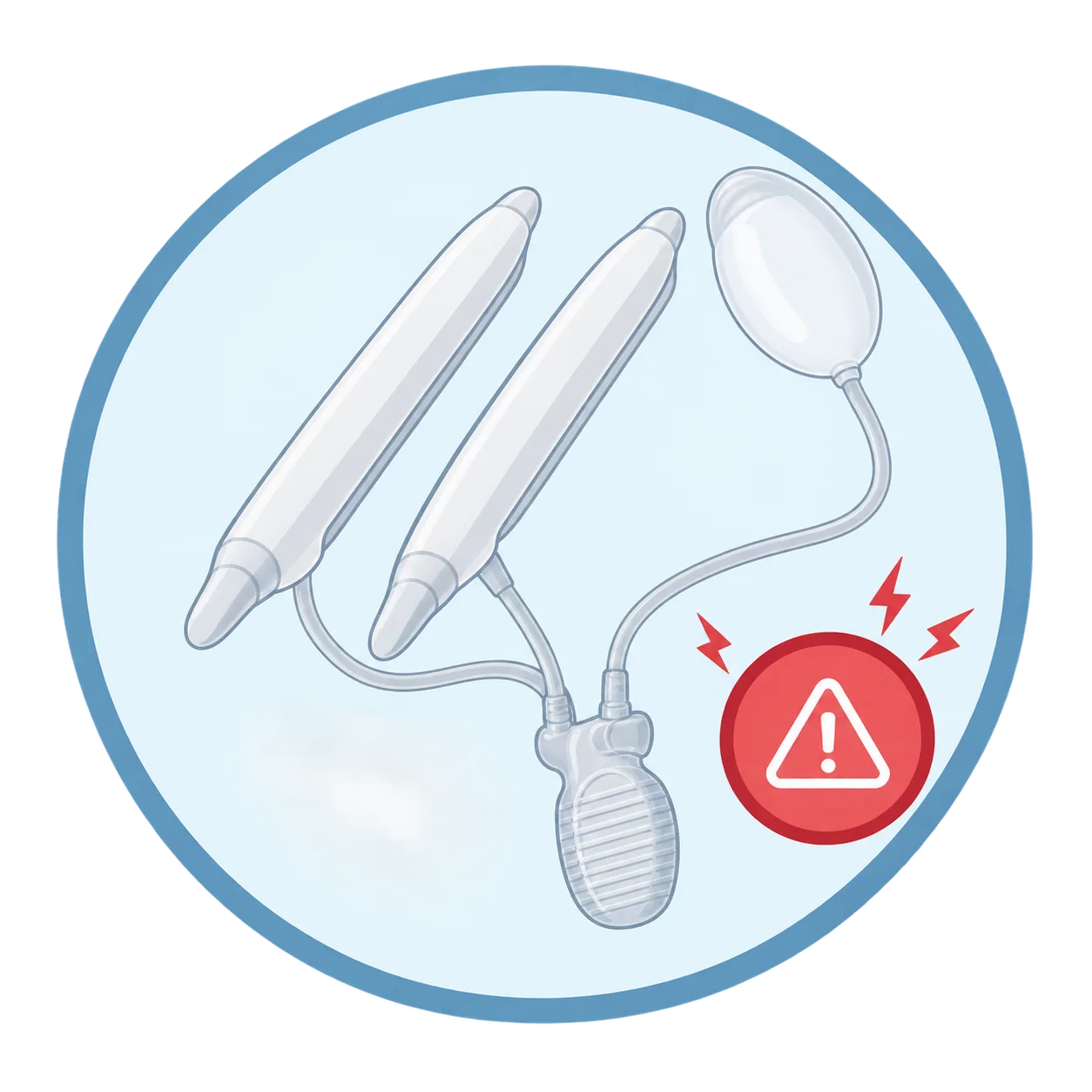
Penile Prosthesis Complications
Penile prosthesis complications are problems that occur after implantation of an inflatable or malleable penile implant, including infection, mechanical failure, erosion, device migration or malposition, cylinder problems, pump or reservoir issues, pain, and corporal tissue complications. Some problems can be managed conservatively, but infection, erosion, severe mechanical failure, or device exposure often require revision or replacement surgery by an experienced prosthetic urologist.
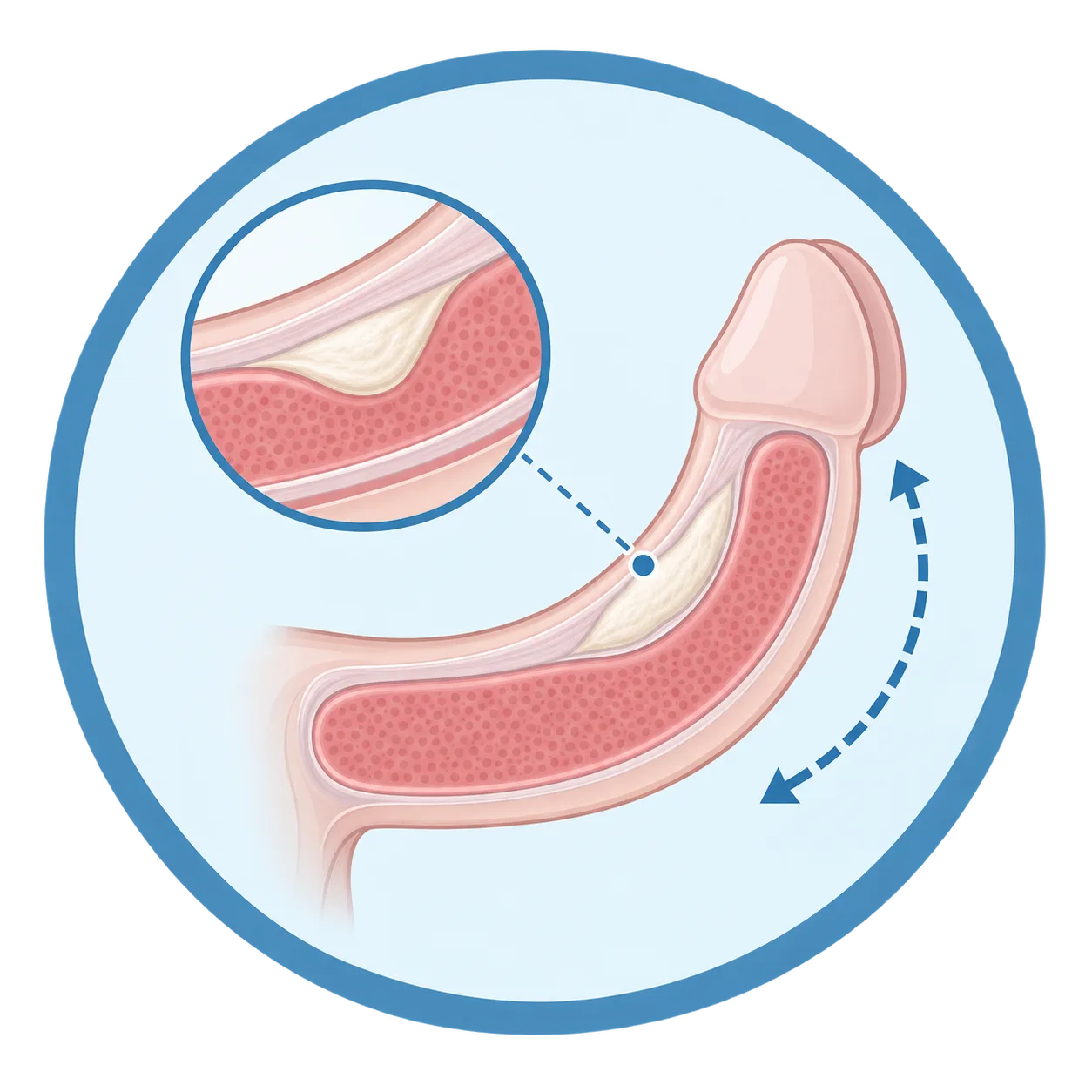
Peyronie's disease
Peyronie's disease is a build-up of scar tissue inside the penis that causes curvature, often with pain, during erections. It's reported in roughly 3–9% of men in Western populations, more in some studies, and is most often diagnosed in men in their 50s and 60s.

Phimosis (adult)
Adult phimosis explained: real causes, when it needs treatment, and evidence-based options — with sources, not guesswork.
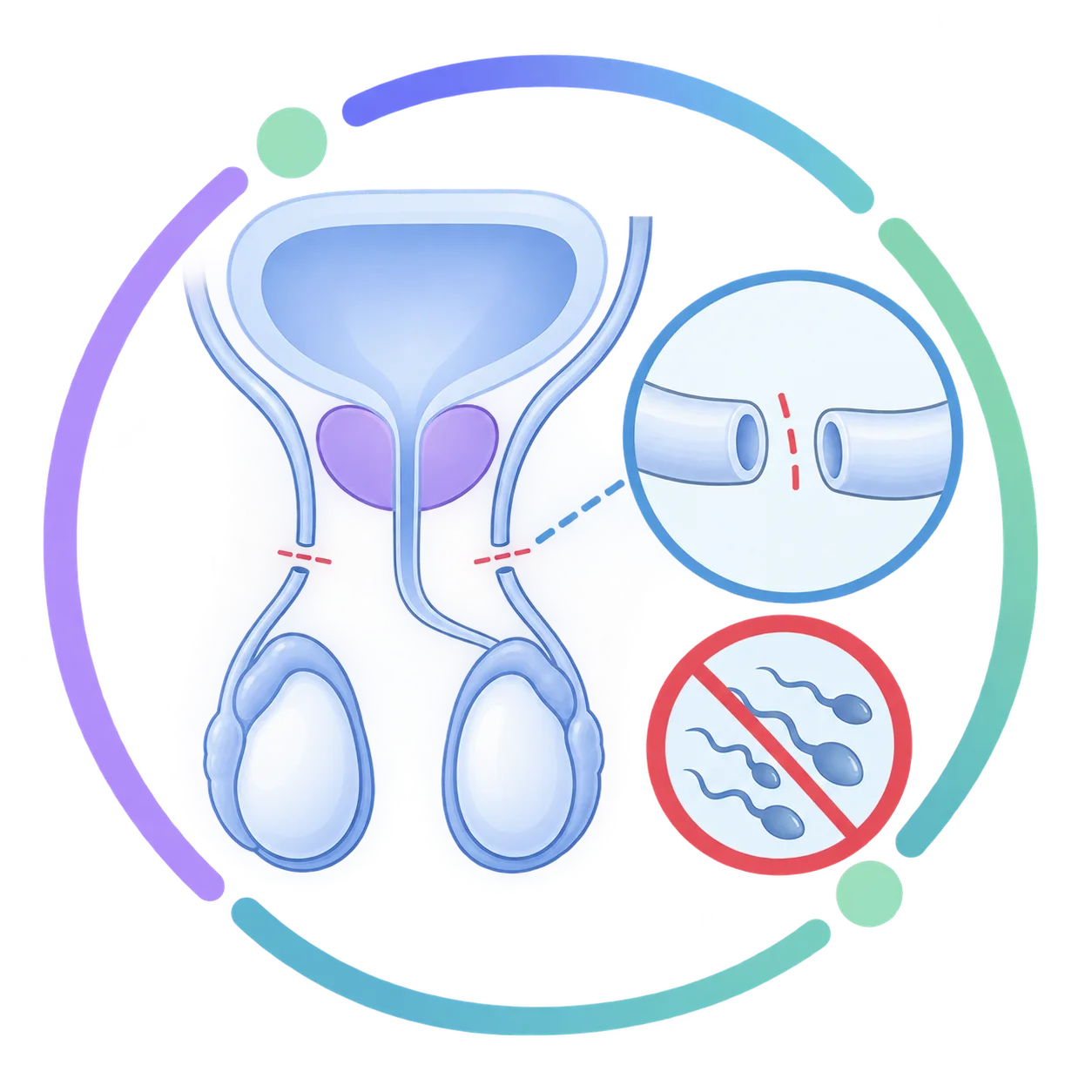
Post-vasectomy infertility
Infertility following elective vasectomy, where restoration of fertility is desired.
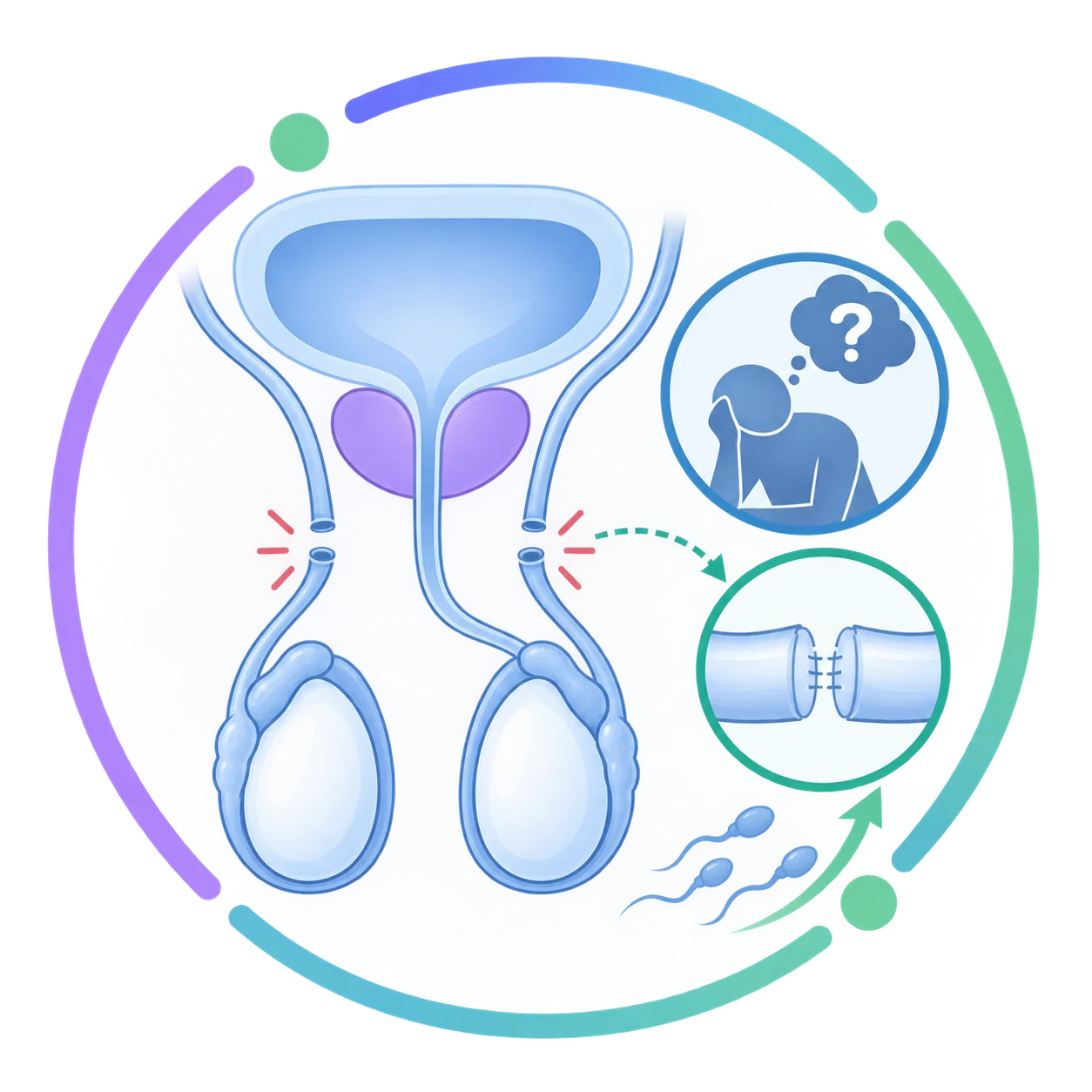
Post-vasectomy regret & reversal
Vasectomy regret and reversal explained: how common regret is, real success rates, and options — with sources, not guesswork.
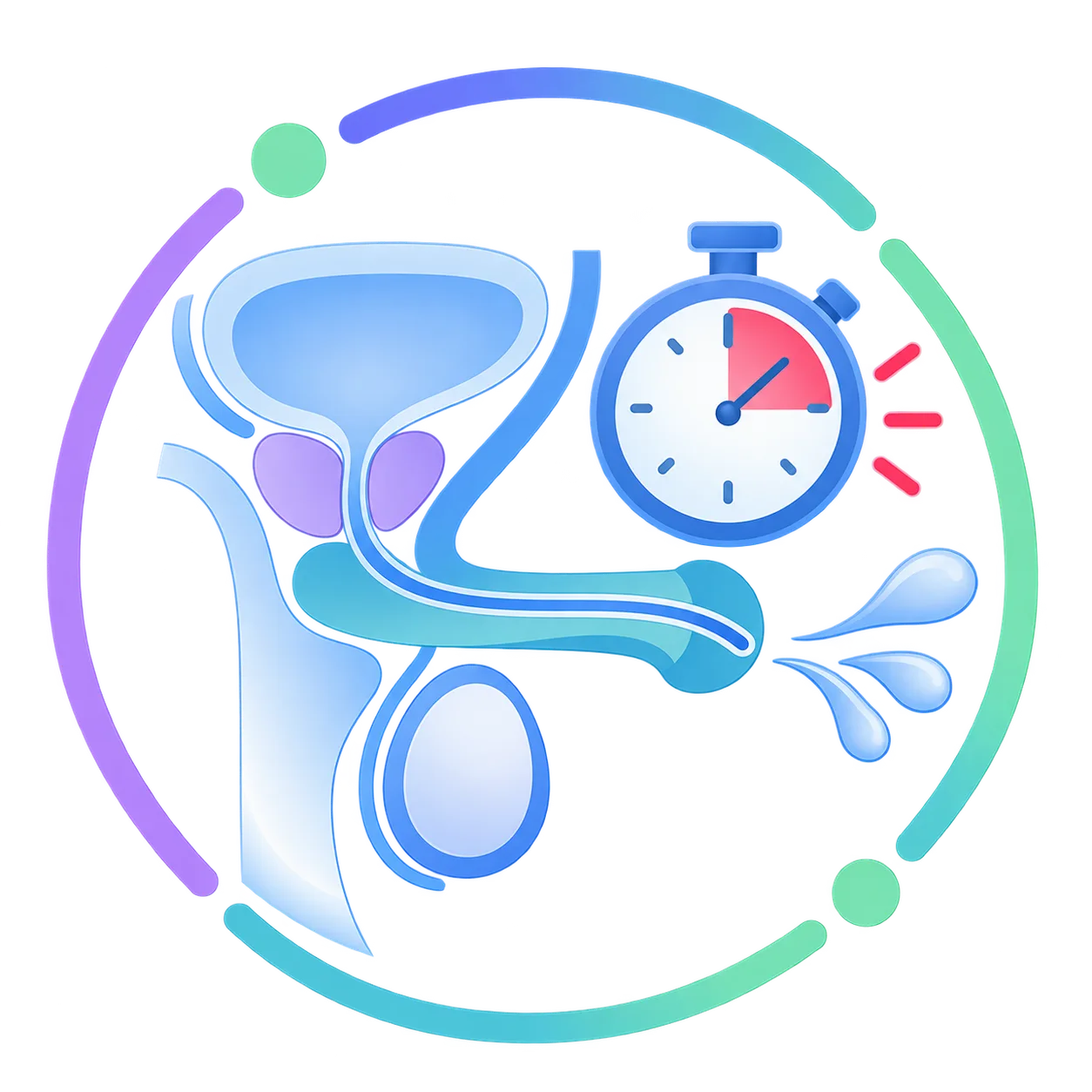
Premature Ejaculation
Premature ejaculation is ejaculation that happens sooner than a man wants, with little control over timing, causing distress. Complaint-based surveys report it in 20–30% of men, though stricter clinical definitions put the figure closer to 4–5%.
Priapism
Priapism is a prolonged penile erection that persists beyond or occurs independently of sexual stimulation, typically defined clinically as an erection lasting more than four hours. Ischemic priapism is a medical emergency because trapped, poorly oxygenated blood can damage erectile tissue, while non-ischemic priapism usually results from excessive arterial blood flow and is generally less urgent.
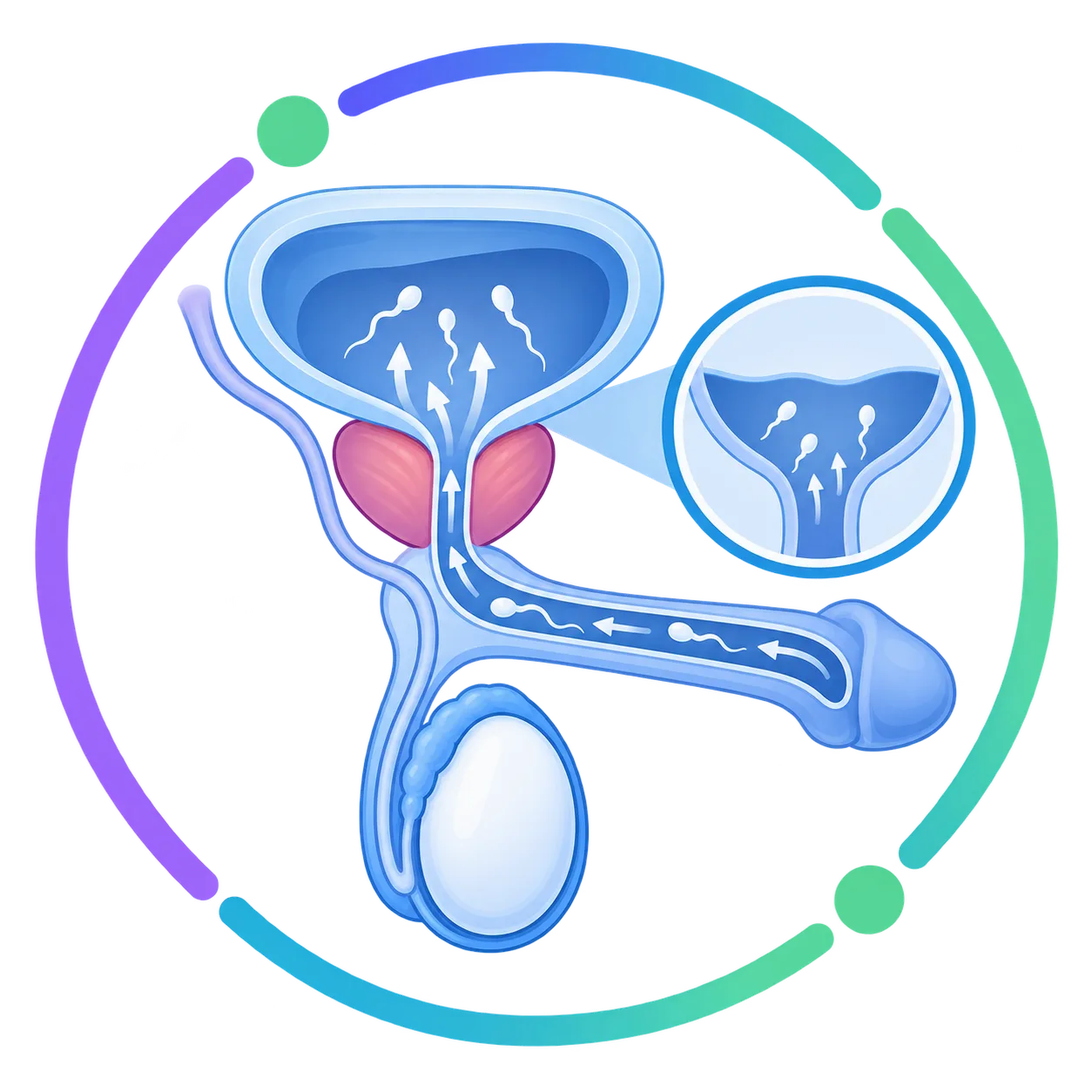
Retrograde ejaculation
Retrograde ejaculation explained: real causes, how it is diagnosed, and what it means for fertility — with sources, not guesswork.
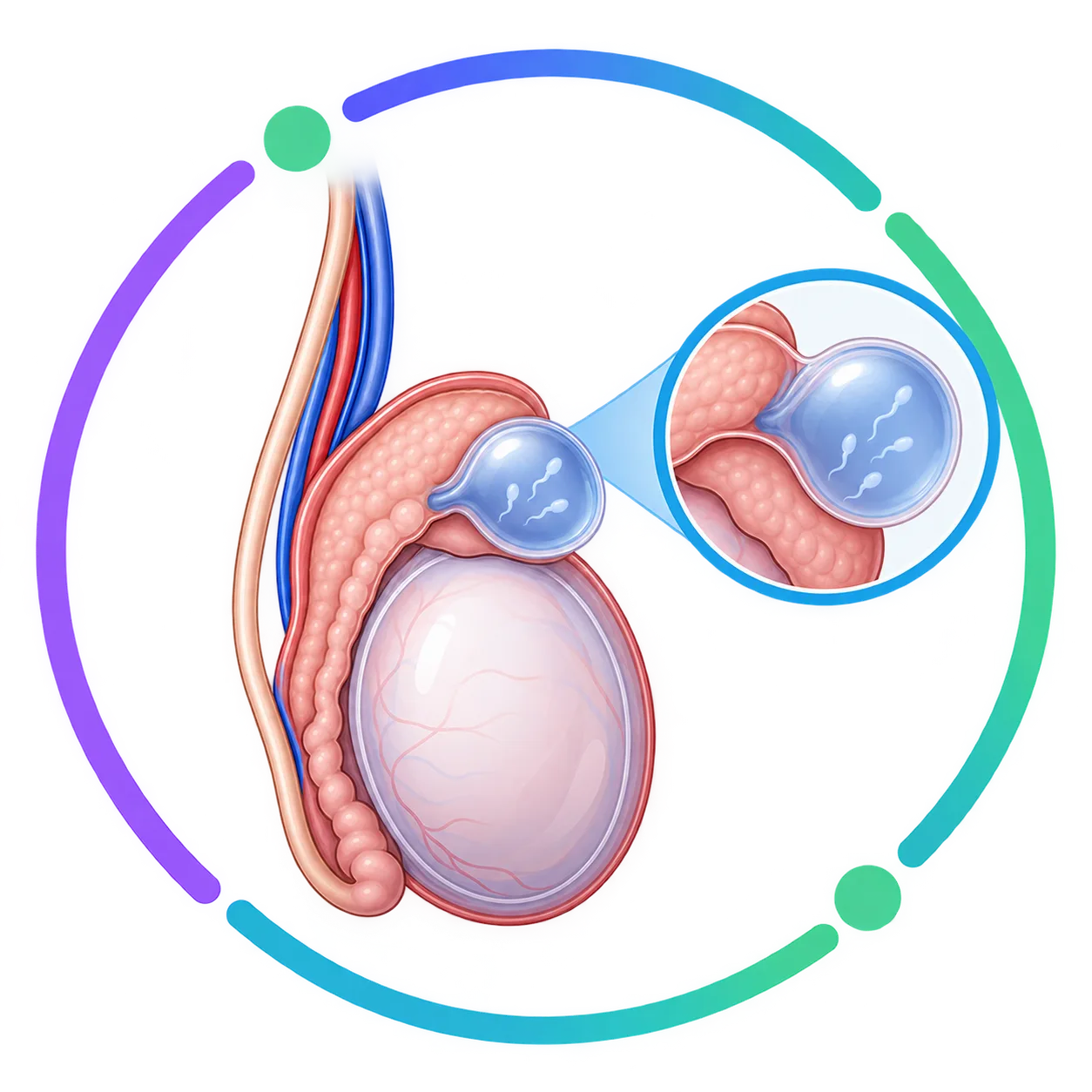
Spermatocele
Spermatocele explained: real causes, when treatment is needed, and what the evidence says — with sources, not guesswork.
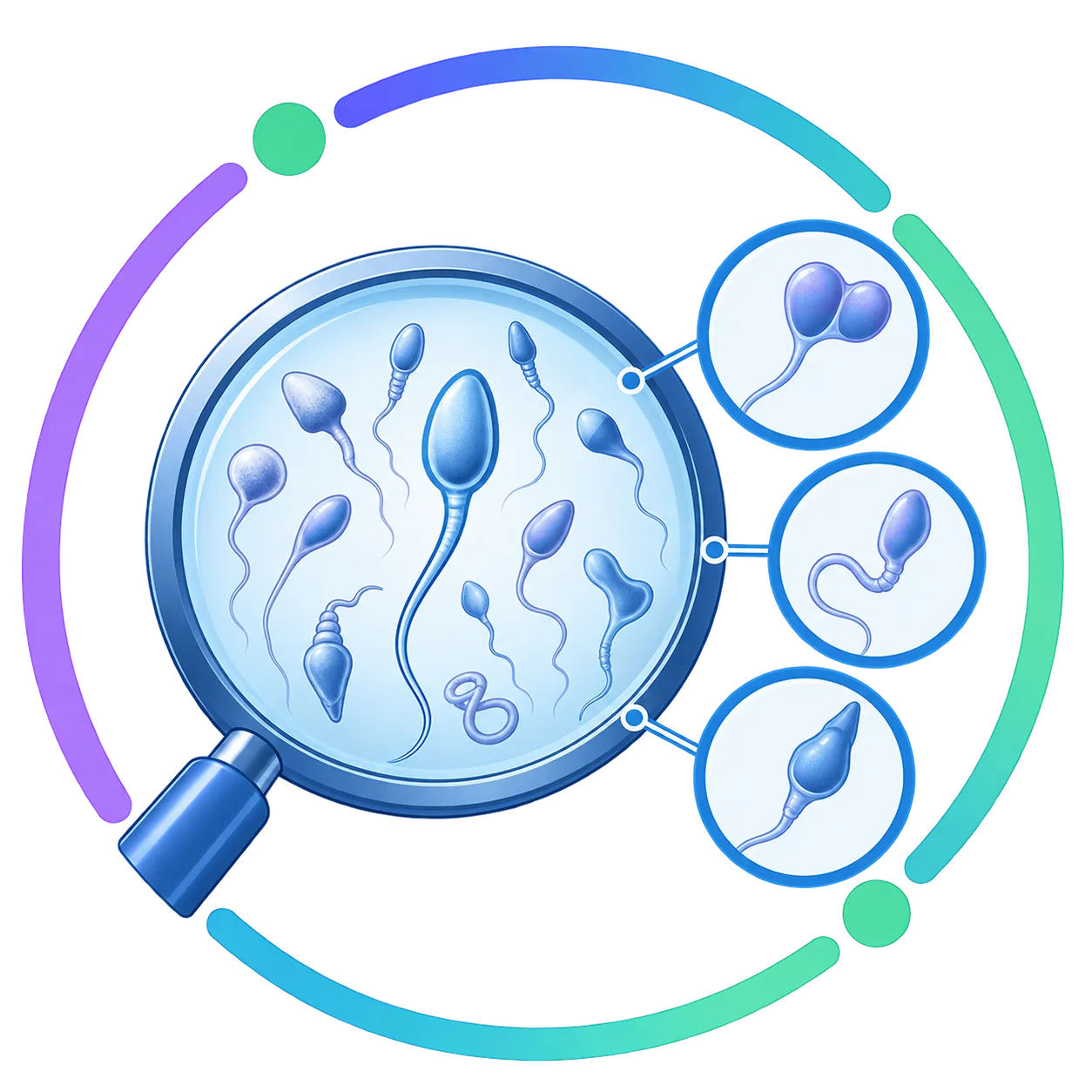
Teratozoospermia (Abnormal Sperm Morphology)
Teratozoospermia is a semen-analysis finding in which a lower-than-expected proportion of sperm have normal shape and structure. Abnormal sperm morphology can involve the head, midpiece, or tail and may be associated with reduced fertility potential, although morphology alone cannot determine whether a man is fertile or infertile.
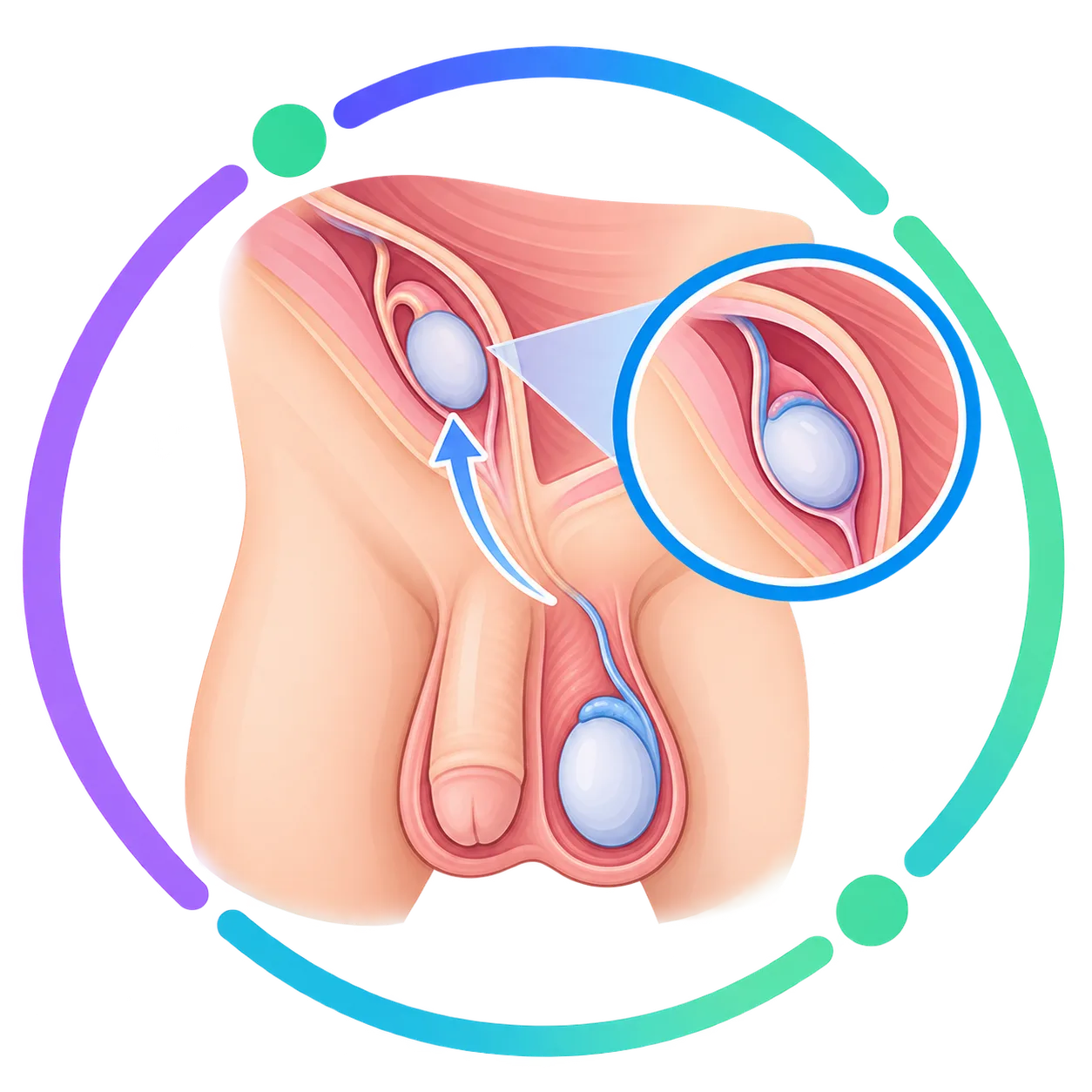
Undescended testicle (adult)
Undescended testicle in adulthood explained: cancer risk, fertility impact, and treatment options — with sources, not guesswork.
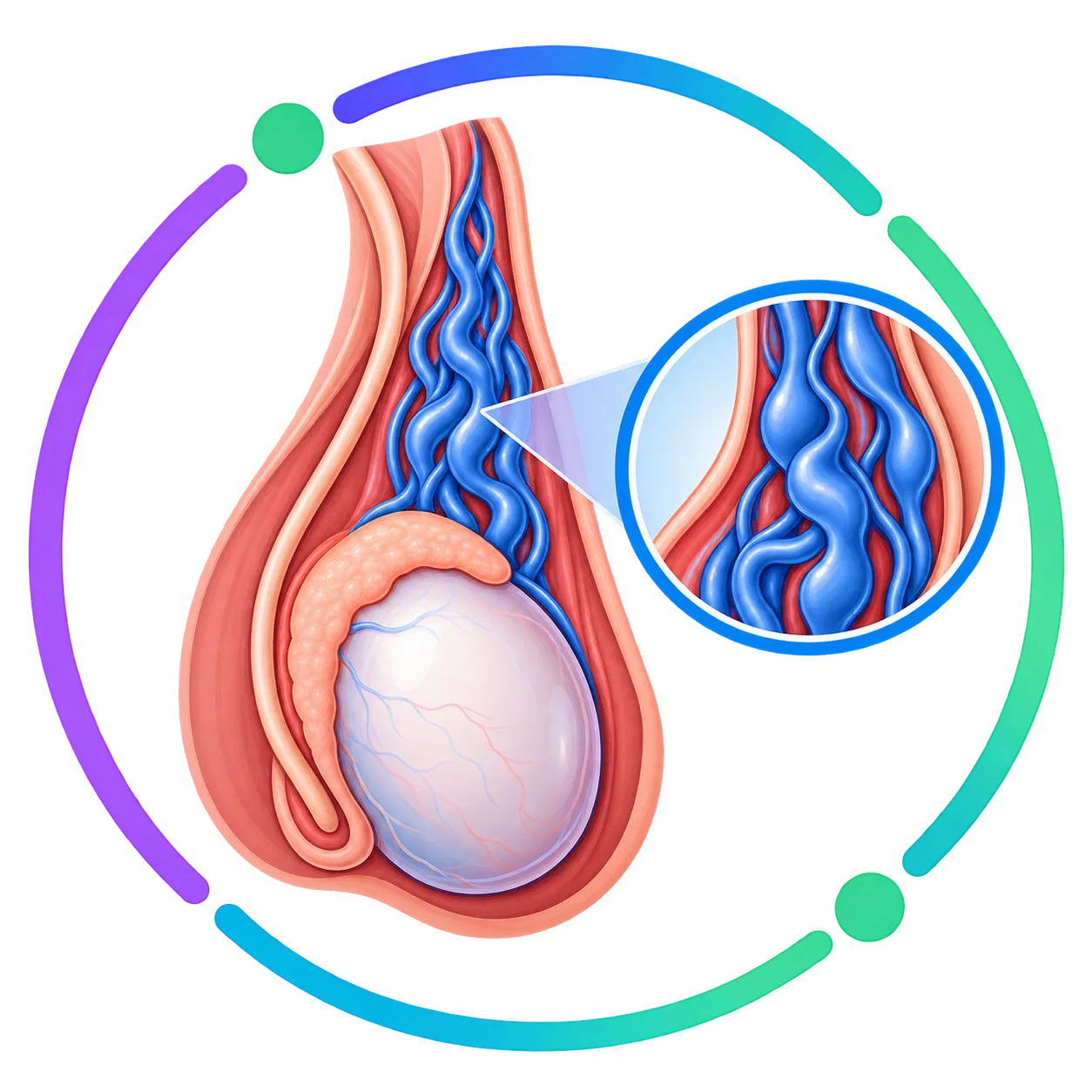
Varicocele
Enlarged veins within the scrotum, associated with impaired sperm production and testicular discomfort.
Venous Leak Erectile Dysfunction
Venous leak erectile dysfunction is a form of erectile dysfunction in which the penis has difficulty maintaining the pressure needed for a firm erection because the normal veno-occlusive mechanism does not function adequately. Men may be able to achieve an erection but lose firmness too quickly, and diagnosis requires a proper erectile dysfunction assessment rather than symptoms alone.
What every condition page gives you
The same structure every time, so you can compare rather than piece together fragments from a dozen sites.
Written from the symptom
We describe how a problem actually presents, so you can recognise yourself in it before you know the terminology.
Causes, honestly ranked
What most often causes it, what rarely does, and which causes point to something that needs investigating first.
Every treatment option
Not just surgery — medication, lifestyle and watchful waiting are covered, with the evidence for each.
Risks stated as plainly as benefits
Complication rates and realistic outcomes, cited to the literature rather than to marketing copy.
Common questions
The questions men ask most often before they know what they are dealing with.
I am not sure what my condition is — where do I start?
Are these pages written by doctors?
Does every condition need surgery?
How do I know which treatment is right for me?
Is any of this confidential?
Do these conditions affect fertility?
Not sure which condition fits your symptoms?
Describe what is going on in your own words. A clinician-informed human reads it and points you to the right information — no obligation, nothing shared with a clinic.